


How and when can I contact customer service?

Feel Your Best This Holiday Season


See What Our Customers Have To Say



Aaron W.
Verified Purchaser
Vicki H
Verified Purchaser
Jill P
Verified Purchaser
Best Sellers
Not Sure Where To Start?

Why 1,000,000+ customers trust Ocean


Save Big With Organics Ocean's Bundles

Ocean Was Born Out of Devastation, But With A Clear Purpose

Helping Students Thrive
And Bringing Clean Water
Clean & Transparent Products
New Wellness Articles Weekly

Many people worried about starting creatine want to know if bloating is a normal side effect. Creatine can cause short-term bloating for some people, mainly due to water retention in your muscles. This effect typically happens if you follow a loading phase or take higher initial doses.
The good news is that this bloating is usually mild and temporary, often lasting just a few days to a week while your body adjusts. By adjusting your dosage or skipping the loading phase, you can often minimize or even avoid this discomfort altogether, as explained by experts on creatine bloating and how long it lasts.
Understanding why this happens, and learning how to manage or prevent it, could help you get the most out of creatine without unnecessary worries. Knowing what to expect puts you in control, so you can focus on your fitness goals with confidence.
What Is Creatine Bloating?
Creatine bloating describes a common side effect of creatine supplementation, usually caused by the body retaining more water than usual. This increased water content in muscle cells can lead to a temporary feeling of puffiness or discomfort, especially when you first start taking creatine.
How Creatine Bloating Occurs
When you begin taking creatine, your muscles actively draw in and store more water. This happens because creatine acts as an osmolyte, meaning it pulls water into muscle cells to balance out the higher concentration of creatine inside the cell.
Main reasons people experience creatine bloating:
- Increased intracellular water: The muscles swell as water is drawn in.
- Fast loading protocols: Taking large doses quickly (20g/day) often leads to more noticeable bloating compared to lower daily maintenance doses.
- Osmotic effect: The shift in fluid is a direct response to higher creatine concentrations, especially in the first week.
You may notice bloating more if you start with a loading phase, as this method spikes your creatine and water retention levels rapidly. This type of bloating is not the same as gastric or digestive bloating, since it primarily occurs within muscle tissue rather than the stomach or abdomen. Learn more about the underlying causes of creatine bloating in this article from Healthline.
Water Retention and Weight Gain
Creatine’s main side effect is temporary water retention, causing you to weigh more on the scale—sometimes by up to 2–5 pounds in the first week. This weight gain is almost entirely caused by the increase in water held inside your muscle cells rather than actual fat gain.
Key points:
- Water retention is natural with creatine use.
- Bloating usually feels like puffiness or mild swelling, especially in the muscles.
- Your muscles may feel larger and fuller, which some find desirable, particularly for athletics and bodybuilding.
You can reduce water retention by staying hydrated and opting for a lower daily dose (such as 3–5 grams per day), rather than doing a quick loading phase. Extra water intake does not increase bloating but can help your body efficiently regulate fluid balance during creatine supplementation. Additional detail about how water retention connects to creatine use is available from Verywell Health.
Typical Duration and Resolution
For most people, creatine bloating is short-lived. The body usually adjusts to higher creatine and water levels within a few days to a week.
If you use a loading phase, bloating tends to be more common and will typically fade as your body gets used to regular creatine intake. If you start with a standard maintenance dose from the beginning, bloating may be minimal or even absent.
To minimize any discomfort, increase your dose gradually and take creatine with food. Individual responses can vary, and some people do not experience any noticeable bloating at all. For a more detailed overview on how long creatine bloating lasts and tips for dealing with it, see this resource from American Celiac.
Causes and Mechanisms of Creatine Bloating
When you use creatine supplements, your body undergoes a few distinct processes that can lead to water retention and bloating. Creatine loading, amino acid metabolism, and cellular energy production all play key roles in these effects.
Role of Creatine Loading Phase
Most creatine bloating occurs during the loading phase, which typically involves consuming 20 grams of creatine per day, split into several doses. This sudden increase in creatine intake raises the concentration of creatine within your muscle cells.
As creatine enters your muscles, it draws water along with it due to osmotic pressure. This water retention increases muscle volume but can create a bloated or puffy feeling, especially in the initial week of supplementation.
Rapid changes in cellular hydration can also affect digestion, sometimes leading to stomach discomfort or mild gastrointestinal issues. These effects are less common when you use lower, steady daily doses of creatine, as with non-loading protocols. Learn more about this process at Healthline’s explanation of creatine bloating.
Amino Acids and Creatine Synthesis
Creatine is synthesized naturally in your body from the amino acids arginine, glycine, and methionine. These compounds are important building blocks and support many biological functions.
When you take creatine supplements, you may alter the normal balance of these amino acids, especially in tissues like the liver and kidneys. While changes to amino acid levels are usually harmless, they contribute to increased creatine storage and, consequently, greater water uptake by the muscles.
Key amino acids involved in creatine synthesis:
- Arginine: Donates a guanidino group
- Glycine: Combines with arginine, forming guanidinoacetate
- Methionine: Methylates guanidinoacetate to create creatine
This sequence explains why creatine supplementation can increase muscle cell hydration and cause mild bloating for some users.
ATP and Phosphocreatine Involvement
Once inside your muscle cells, creatine primarily serves to replenish ATP (adenosine triphosphate) through its conversion to phosphocreatine. ATP is your body’s main energy currency for short bursts of intense activity.
Phosphocreatine donates a phosphate group to ADP (adenosine diphosphate), regenerating ATP rapidly during high-intensity exercise. To support this ongoing cycle, your muscle cells increase their phosphocreatine stores, which is facilitated by extra creatine from dietary supplements.
Storing more phosphocreatine also means holding additional water within muscle tissue. This intracellular water retention can create temporary bloating, even though it is largely a functional adaptation for improved exercise performance. Research notes that this is most evident early in supplementation, especially during high-dose phases, as found by American Celiac’s review of creatine bloating duration.
Factors That Influence Bloating

Bloating from creatine is affected by several measurable factors, including product type, intake amount, hydration status, and the difference between water retention and real digestive symptoms. Addressing each can limit discomfort and improve your results with supplementation.
Dosage and Supplement Form
The amount of creatine you take has a major effect on the likelihood of bloating. Large initial "loading" doses (around 20 grams daily) often increase water retention and stomach discomfort, compared to smaller daily amounts of 3-5 grams.
The form of creatine also matters. Creatine monohydrate is the most common and thoroughly studied, but it's more likely to cause water retention than alternatives like creatine hydrochloride. Monohydrate is often slower to dissolve and can leave residue in your gut, while hydrochloride is more soluble and reduces risk of bloating for some.
Capsules, powders, and micronized options provide different absorption rates. Powders that aren't fully dissolved can irritate your stomach or cause a feeling of fullness. Using a lower dose and a more soluble form may help lessen bloating for those sensitive to creatine's effects, as explained in expert analyses on dosage and supplement forms.
Hydration and Dehydration Risk
Creatine draws water into muscle cells, causing some users to experience mild weight gain or a "puffy" feeling. This water retention is not fat, but proper hydration is important to balance it.
If you don't increase your water intake while using creatine, the risk of dehydration or electrolyte imbalances rises. Symptoms may include dry mouth, headache, or even muscle cramps. Some users mistakenly cut back on fluids hoping to reduce water weight, but this can make symptoms worse.
Water retention from creatine is generally temporary and largely confined to muscle cells, not the area under your skin. Maintaining hydration can help your body process creatine efficiently and minimize bloating, as outlined in guides to hydration and water retention. Monitoring your fluid intake throughout the day supports both comfort and supplement effectiveness.
Gastrointestinal Distress vs. Water Bloat
It's important to differentiate between true water bloat from creatine and actual gastrointestinal issues. Water bloat presents as a larger, fuller feeling, especially in the muscles, and rarely causes true stomach upset.
Gastrointestinal distress involves symptoms such as stomach cramps, gas, diarrhea, or nausea, often linked to incomplete absorption or undissolved powder. This is more common when taking excess amounts or low-quality forms of creatine.
If you consistently notice upset stomach, you may need to reduce your dose, switch to a more soluble form like creatine hydrochloride, or spread your intake across several smaller servings. True water retention is usually short-lived, while digestive discomfort may need attention, as discussed in detail in materials on creatine gastrointestinal effects. Identifying which issue is present lets you adapt your routine for better tolerance and effectiveness.
How to Minimize and Manage Creatine Bloating
Creatine bloating is often caused by water retention or digestive discomfort from creatine supplementation. Simple adjustments to your supplementation routine can greatly reduce bloating and allow you to enjoy creatine's benefits for muscle gain and increased power output.
Avoiding the Loading Phase
Traditional creatine supplementation sometimes includes a "loading phase," where you take large amounts—typically 20 grams per day for 5-7 days. This phase increases the risk of bloating and water retention, especially with creatine monohydrate, as your body adjusts to higher creatine levels.
Instead, you can skip the loading phase and start with a lower daily dose, usually 3-5 grams. This approach results in similar long-term muscle saturation but reduces the likelihood of sudden water retention and stomach discomfort. Studies and experts recommend this gradual method for those sensitive to bloating.
Key Point: Begin with a maintenance dose to minimize gastrointestinal issues and visible bloating. For more, see guidance on how to avoid creatine bloat.
Optimizing Dosage and Timing
Taking the right amount of creatine and timing your intake can make a noticeable difference. A dose of 3-5 grams per day is enough for most people and helps prevent unnecessary water retention. Higher single doses are more likely to cause digestive upset.
It also helps to split your dosage throughout the day or take your creatine with meals. This can support better absorption and reduce the chance of stomach cramping. Consistent daily supplementation is more effective and easier on your digestive system than irregular, large servings.
Tip: If you experience bloating, try lowering your dose temporarily. Drinking more water and increasing dietary fiber may also reduce discomfort related to creatine supplements. For practical advice, see these tips for managing creatine bloating.
Choosing the Best Creatine Type
The form of creatine you choose can influence how your body responds. Creatine monohydrate is the most researched and commonly used type, but it can cause temporary water retention and bloating for some users.
If you're prone to bloating or digestive issues, alternatives like creatine hydrochloride may be a better option. Creatine hydrochloride dissolves more easily in water and is often reported to cause less stomach discomfort while still supporting muscle growth and power output. Always check for product purity and avoid blends with unnecessary additives or fillers, which may increase your chances of digestive side effects.
For a comparison of different types and more detailed advice, see recommendations on how to prevent bloating from creatine.
Frequently Asked Questions
Creatine bloating is mainly due to water retention and varies based on individual response, form of creatine, and dosing methods. There are established methods to minimize discomfort, and the experience of bloating can differ between men and women.
Does the bloating associated with creatine intake diminish over time?
Bloating from creatine often subsides as your body adjusts to the supplement. Most people experience this effect during the first week, especially if starting with a higher dose or a loading phase.
For many, the feeling of fullness becomes less noticeable after continuous use at a maintenance dose.
What strategies can be employed to prevent bloating when using creatine?
Using a lower maintenance dose and avoiding the initial loading phase can help prevent bloating. Selecting highly absorbable forms like creatine monohydrate may further reduce the chance of experiencing water retention and gastrointestinal issues.
Staying hydrated and spreading your intake throughout the day can also minimize discomfort and improve absorption. More details on tactics can be found at this guide on how to prevent bloating from creatine.
Are there differences in bloating effects from creatine between men and women?
Research shows both men and women can experience water retention from creatine, but individual variability is significant. Hormonal factors may play a minor role, but there are no consistent findings to suggest that one gender is substantially more affected than the other.
Can you experience bloating even if you skip the loading phase of creatine?
Yes, some people still report mild bloating after starting creatine, even without a loading phase. However, skipping this phase tends to lessen both the severity and duration of water retention.
If you are sensitive to gastrointestinal disturbances, beginning with a lower dose may further reduce the risk.
How long can one expect the water retention effects to last after starting creatine?
Water retention and bloating are typically most noticeable during the first one to two weeks after you begin supplementation. For most, these effects decrease or disappear as your body gets used to the new baseline, especially when a maintenance dose is used.
More information on duration can be found in articles addressing how long creatine bloating lasts.
Is increased water intake necessary to manage bloating while on creatine?
Adequate hydration supports healthy kidney function and may help your body regulate fluid balance while using creatine. However, excessive water intake does not necessarily reduce bloating and may not be required for everyone.
Aim to stay well-hydrated by consuming water according to your normal needs and your activity level.

Calcium is essential for bone health, muscle function, and nerve signaling, but many people following plant-based diets struggle to meet their daily calcium needs through food alone. Plant-based calcium supplements offer a solution that aligns with vegan and vegetarian lifestyles while providing the same bone-supporting benefits as traditional supplements.
Plant-based calcium supplements derived from sources like red algae provide not only calcium but also over 70 naturally occurring trace minerals that support optimal bone health, making them distinct from synthetic limestone-based calcium carbonate. Your body can absorb up to 500 mg of calcium at one time, which is why understanding proper dosing matters. Pairing calcium with complementary nutrients like Vitamin D3 and K2 enhances absorption and ensures the calcium reaches your bones rather than accumulating in soft tissues.
Choosing the right supplement involves more than just checking the calcium content. The source of calcium, the delivery method, and the presence of supporting nutrients all influence how effectively your body uses the supplement. Understanding these factors will help you select a plant-based calcium supplement that genuinely supports your health goals.
Understanding Plant-Based Calcium Supplements
Plant-based calcium supplements derive from natural sources like algae and provide an alternative to synthetic or rock-derived forms, often containing additional trace minerals that support bone health. The body can absorb up to 500 mg of calcium at a time, making proper dosing and pairing with nutrients like Vitamin D3 and K2 important for optimal results.
What Is Plant-Based Calcium?
Plant-based calcium comes from living organisms rather than mined limestone or synthesized minerals. The most common source is red marine algae, a type of seaweed that naturally accumulates calcium from ocean water as it grows.
Unlike conventional calcium carbonate extracted from limestone rocks, algae-based calcium contains a complex matrix of minerals. Red algae–derived calcium includes 70+ naturally occurring trace minerals such as magnesium, boron, and silica that work together to support bone density. This mineral profile mirrors the composition your bones need for optimal strength.
Plant-based calcium sources often come with additional nutritional advantages such as fiber, vitamins, and antioxidants when consumed as whole foods. As supplements, they maintain the natural mineral structure found in living organisms rather than isolated chemical compounds.
Primary Sources of Plant-Based Calcium
Algae calcium represents the primary ingredient in most vegan calcium supplements. Red marine algae species like Lithothamnion grow off the coasts of Iceland and Ireland, absorbing minerals directly from seawater.
Other plant sources you might find in plant-based calcium supplements include:
- Seaweed extracts beyond red algae
- Leafy green concentrates from kale or spinach
- Sesame seed powder rich in natural calcium
- Amaranth and other ancient grains
These sources provide calcium in forms your body recognizes as food rather than isolated minerals. Many manufacturers combine multiple plant sources to create comprehensive formulas that deliver calcium alongside complementary nutrients like Vitamin D3 and K2, which support calcium absorption and proper distribution to your bones rather than soft tissues.
Plant-Based Versus Traditional Calcium Supplements
Traditional calcium supplements typically come in three forms: calcium carbonate (derived from limestone), calcium citrate (a synthesized compound), and calcium hydroxyapatite (extracted from animal bone). Calcium carbonate requires stomach acid for absorption and works best when taken with food.
Vegan calcium supplements from algae differ structurally from these conventional options. The calcium exists within a honeycomb-like matrix of trace minerals rather than as an isolated compound. Research findings support comparable, if not superior, absorption rates to traditional supplements.
Capsule delivery can improve intestinal absorption compared to tablets because capsules dissolve more quickly and completely in your digestive system. This matters when you consider that your body absorbs up to 500 mg of calcium at a time, making multiple smaller doses throughout the day more effective than one large dose.
Choosing between plant-based and traditional calcium depends on your dietary preferences, digestive sensitivity, and whether you want the additional trace minerals that come with algae-based options. Traditional forms may offer higher elemental calcium per dose, but plant-based versions provide a broader spectrum of bone-supporting nutrients in one supplement.
Health Benefits and Importance of Calcium
Calcium serves as a fundamental mineral for building and maintaining strong bones while supporting critical functions throughout your body. Understanding how your body uses calcium and the consequences of inadequate intake helps you make informed decisions about supplementation.
Role in Bone Health and Bone Density
Your bones store 99% of your body's calcium, making this mineral essential for bone strength and bone density throughout your life. The bone matrix constantly undergoes remodeling, where old bone tissue breaks down and new tissue forms. Adequate calcium intake supports this process and helps maintain structural integrity.
During childhood and adolescence, sufficient calcium builds peak bone mass. After age 30, bone density naturally decreases, making consistent calcium consumption critical for slowing bone loss. Without enough calcium, your body extracts it from bones to maintain blood calcium levels, gradually weakening the bone matrix.
Plant-based calcium from sources like red algae provides additional benefits compared to limestone-based calcium carbonate. Red algae-derived calcium includes 70+ naturally occurring trace minerals that work synergistically to support bone health. Your body absorbs up to 500 mg of calcium at a time, so spacing doses throughout the day optimizes absorption.
Calcium's Impact Beyond Bones
Calcium performs vital functions in muscle and nerve function, blood clotting, and cellular health. Your heart relies on calcium for proper muscle contractions, while your nervous system uses it to transmit signals between your brain and body parts.
Blood vessels use calcium to regulate contraction and dilation, affecting blood pressure. Enzymes and hormones require calcium for secretion and activity. These functions take priority over bone storage, which is why your body pulls calcium from bones when dietary intake falls short.
Vitamin D3 and K2 enhance calcium absorption and utilization. Vitamin D3 increases intestinal calcium absorption, while K2 directs calcium to bones rather than soft tissues. Capsule delivery can improve intestinal absorption compared to tablets.
Risks of Calcium Deficiency
Calcium deficiency initially shows few symptoms because your body maintains blood calcium levels by depleting bone stores. Over time, low calcium intake increases the risk of osteoporosis, a condition where bones become porous and fracture easily.
Early warning signs include muscle cramps, numbness in fingers and toes, and abnormal heart rhythms. Severe deficiency can lead to bone pain, dental problems, and increased fracture risk. Women after menopause and older adults face heightened vulnerability due to hormonal changes and decreased absorption efficiency.
Long-term inadequate calcium intake weakens bone density significantly, making falls and minor impacts more dangerous. Maintaining consistent calcium levels through diet or supplementation protects against these complications and supports overall health.
Key Nutrients in Plant-Based Calcium Supplements
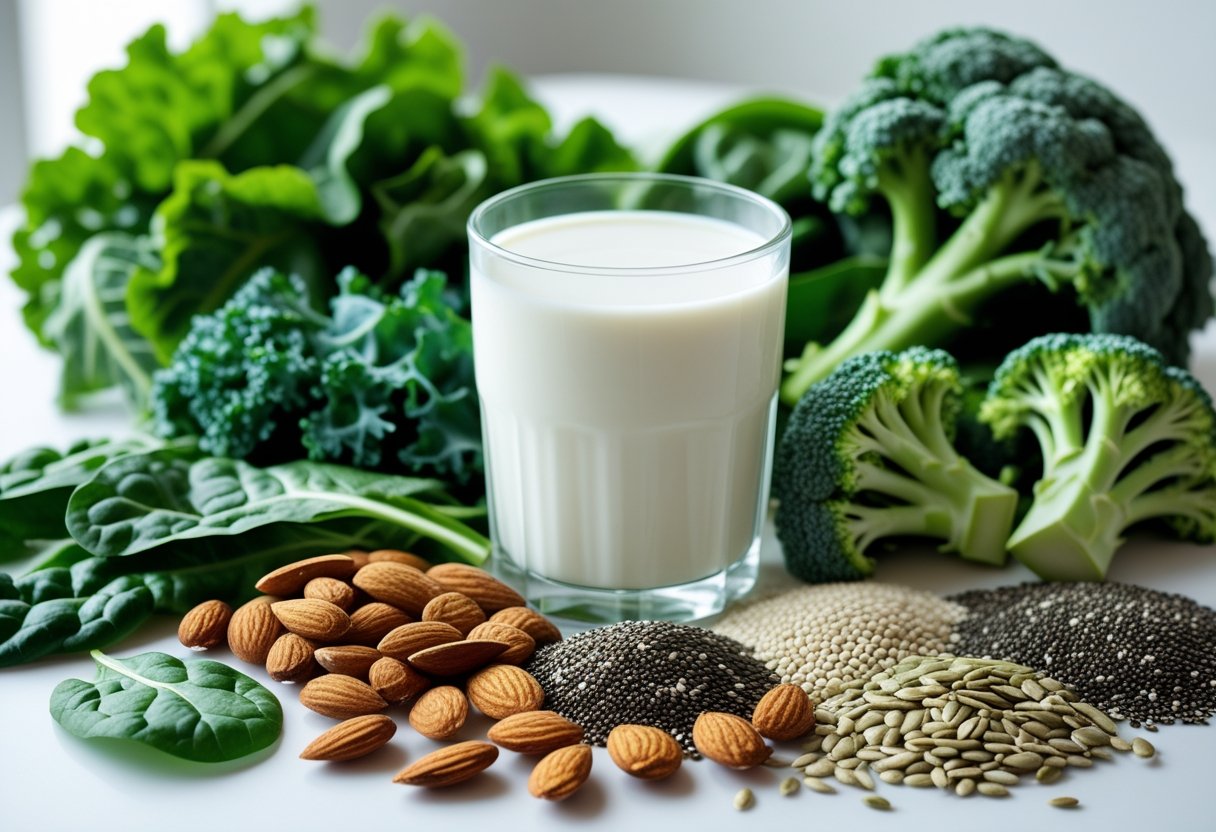
Plant-based calcium supplements contain multiple nutrients that work together to support bone health and calcium utilization. Your body absorbs up to 500 mg of calcium at a time, making the presence of complementary vitamins and minerals essential for optimal absorption and effectiveness.
Calcium Absorption and Bioavailability
Bioavailability determines how effectively your body can absorb and use the calcium you consume. Red algae-derived calcium stands apart from limestone-based calcium carbonate because it includes 70+ naturally occurring trace minerals that support absorption. These trace minerals create a complex nutritional matrix similar to what you'd find in whole foods.
Your digestive system processes plant-based calcium differently than synthetic forms. Capsule delivery can improve intestinal absorption compared to tablets because capsules dissolve more readily in your digestive tract. The presence of additional minerals and nutrients in plant-based sources enhances calcium absorption by mimicking the natural food matrix your body recognizes.
Taking calcium supplements with meals generally improves absorption. You should avoid consuming more than 500 mg of calcium in a single dose since your body cannot effectively absorb larger amounts at once.
The Role of Vitamin D3 and Vitamin K2
Vitamin D3 and calcium work synergistically to support bone health and mineral absorption. Vitamin D3 helps your intestines absorb calcium from your digestive tract and regulates calcium levels in your blood. Many plant-based calcium supplements include vitamin D3 from lichen, providing a vegan-friendly source of this critical nutrient.
Vitamin K2 directs calcium to your bones rather than allowing it to accumulate in soft tissues like arteries. This nutrient activates proteins that bind calcium to bone tissue, ensuring the calcium you consume reaches its intended destination. Without adequate vitamin K2, calcium may deposit in places where you don't want it.
A vegan vitamin d supplement becomes particularly important if you follow a plant-based diet, as most dietary vitamin D comes from animal sources. The combination of vitamin D and calcium significantly improves bone density outcomes compared to calcium alone.
Magnesium and Other Supportive Minerals
Magnesium plays multiple roles in calcium metabolism and bone formation. Quality supplements provide both calcium and magnesium from marine algae, typically offering ratios like 1000 mg calcium to 100 mg magnesium per serving. Your body needs magnesium to convert vitamin D into its active form, which then facilitates calcium absorption.
Boron supports bone health by reducing calcium excretion and enhancing mineral retention. This trace mineral also influences how your body metabolizes calcium, magnesium, and vitamin D. Red algae sources naturally contain boron alongside other trace minerals like strontium, silicon, and vanadium.
These supportive minerals work together to create an environment where calcium can be properly absorbed, transported, and incorporated into bone tissue. The whole-food nature of algae-based supplements provides these minerals in balanced proportions that your body recognizes and utilizes efficiently.
Choosing the Best Plant-Based Calcium Supplement
Plant-based calcium supplements differ significantly in their sources, absorption rates, and formulations. Understanding these differences helps you select products that deliver optimal bioavailability and complement your dietary needs.
Forms and Sourcing of Calcium in Supplements
Plant-based calcium primarily comes from marine algae, particularly red algae harvested from clean ocean waters. This algae-derived calcium differs fundamentally from limestone-based calcium carbonate because it includes 70+ naturally occurring trace minerals that support bone health beyond calcium alone.
Red algae calcium offers a whole-food matrix that your body recognizes and processes more efficiently. Other plant sources include leafy greens and fortified foods, though supplements concentrate these sources for consistent dosing. The extraction method matters because gentle processing preserves the mineral complex and trace elements naturally present in the algae.
Features to Consider: Purity, Dosage, and Additives
Your body absorbs up to 500 mg of calcium at a time, making dosage timing important for supplements containing higher amounts.
Look for supplements that include Vitamin D3 and K2, as these nutrients work synergistically to support calcium absorption and direct it to your bones rather than soft tissues. Magnesium content matters too, with an ideal ratio of approximately 2:1 calcium to magnesium.
Capsule delivery can improve intestinal absorption compared to tablets because capsules dissolve more readily in your digestive system. Check labels for unnecessary additives like magnesium stearate, artificial colors, or fillers that don't contribute to nutritional value.
Third-party testing certifications indicate quality control and purity verification. Organic certification ensures the algae sources come from sustainable, uncontaminated waters.
Top Recommended Plant-Based Calcium Brands
When searching for the best vegan calcium supplement, several brands consistently receive recognition for quality and effectiveness. Future Kind calcium stands out for its Icelandic red algae sourcing and inclusion of complementary nutrients.
Garden of Life offers organic plant calcium with algae-based formulations that include vitamin D and K2. Their whole-food approach appeals to those seeking comprehensive nutrient profiles beyond isolated calcium.
PlantFusion sources calcium from red algae and provides 72 trace minerals alongside the primary calcium content. This brand focuses specifically on bone density support through its mineral-rich formula.
NATURELO Bone Strength combines plant-based calcium with a full spectrum of bone-supporting nutrients including boron, silica, and strontium. The formula addresses multiple aspects of skeletal health in one product.
Frequently Asked Questions
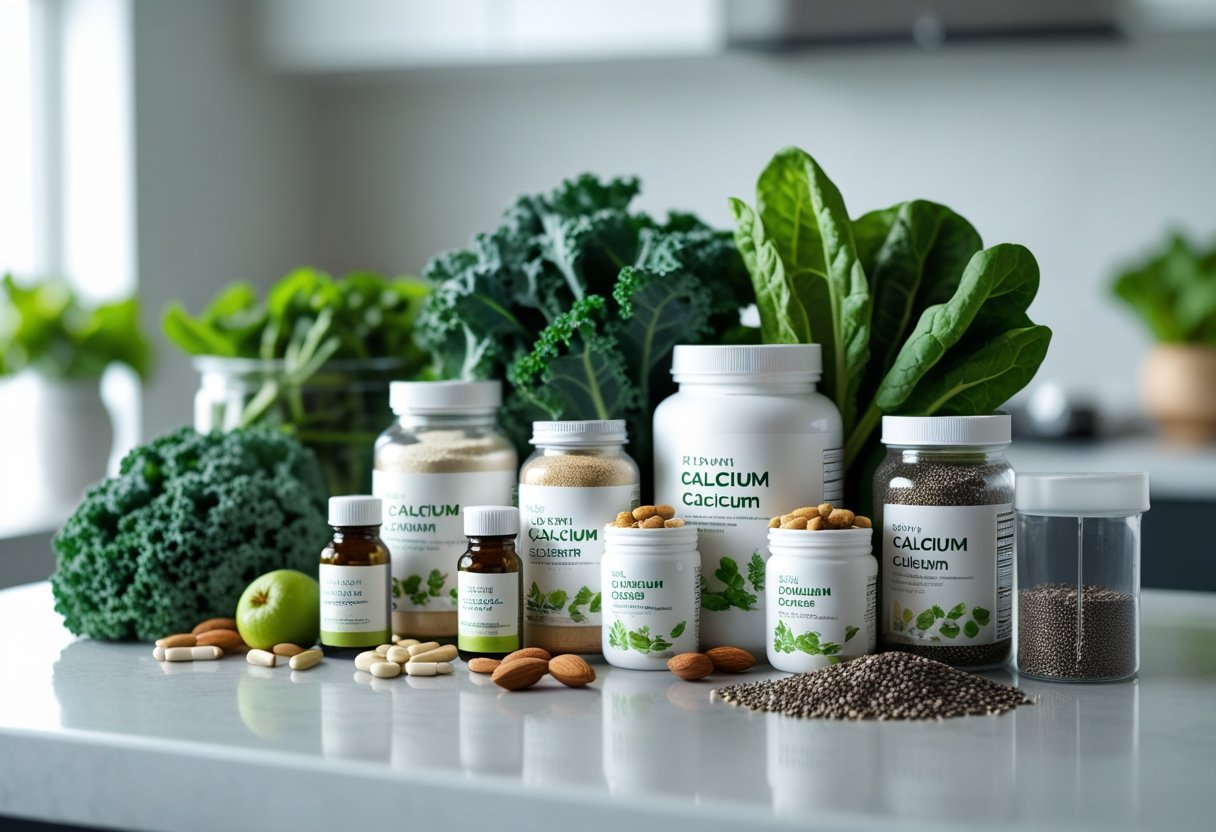
Plant-based calcium supplements raise important questions about their effectiveness, absorption rates, and suitability for different health needs. Understanding how these supplements compare to traditional options and which formulations work best helps you make informed decisions about bone health.
What are the benefits of taking plant-based calcium supplements over traditional ones?
Plant-based calcium supplements provide additional nutrients beyond calcium alone. These supplements often include fiber, vitamins, and antioxidants that support overall health while strengthening bones.
Traditional calcium supplements typically consist of isolated calcium carbonate derived from limestone. Plant-based versions come from whole food sources like algae and contain naturally occurring trace minerals that work together with calcium in your body.
Red algae-derived calcium includes over 70 naturally occurring trace minerals that support bone density and metabolic functions. This comprehensive mineral profile differs significantly from single-ingredient calcium carbonate supplements.
How do plant-based calcium supplements aid in the prevention and management of osteoporosis?
Your body builds and maintains bone density when you consume adequate calcium along with supporting nutrients. Plant-based calcium supplements containing Vitamin D3 + K2 can provide the complete nutritional framework your bones need.
Vitamin D3 enhances calcium absorption in your intestines, while K2 directs calcium to your bones rather than soft tissues. Your body absorbs up to 500 mg of calcium at one time, so spacing doses throughout the day maximizes effectiveness.
Research findings indicate that plant-based calcium supplements have comparable or superior absorption rates to traditional supplements. The additional minerals in algae-based formulations support bone remineralization and skeletal strength throughout aging.
What distinguishes algae-based calcium supplements from other plant-based options?
Algae-based calcium from marine algae deposits offers superior absorption and benefits for bone, joint, and metabolic health. The calcium from red algae has a porous, honeycomb-like structure that your body recognizes as a whole food source.
This structure allows for better bioavailability compared to dense calcium carbonate rocks. Algae calcium also naturally contains magnesium, which works synergistically with calcium for proper bone formation.
Capsule delivery of algae-based calcium can improve intestinal absorption compared to compressed tablets. The easier dissolution in your digestive system means more calcium reaches your bloodstream and bones.
What are the top-rated plant-based calcium supplements according to consumer reviews?
PlantFusion offers organic plant-based calcium made from Icelandic red algae enhanced with Vitamin D3, K2, magnesium, and 72+ trace minerals. This comprehensive formulation addresses multiple aspects of bone density and strength.
Consumer reviews frequently highlight the importance of additional nutrients beyond calcium alone. Supplements that combine algae-based calcium with vitamins D3 and K2 receive higher ratings for effectiveness.
You should look for supplements that provide 500 mg or less per serving to match your body's absorption capacity.
Who may have health risks or contraindications with taking plant-based calcium supplements?
You should consult a healthcare provider before starting calcium supplementation if you take medications for thyroid conditions or blood pressure. Calcium can interfere with the absorption of certain prescription drugs when taken simultaneously.
People with hypercalcemia or kidney stones may need to avoid calcium supplements entirely. Your kidneys process excess calcium, so compromised kidney function requires medical supervision of supplementation.
Post-menopausal women and individuals following dairy-free diets often benefit from plant-based calcium supplements. Children who can swallow capsules and adults eating fewer calcium-rich foods may also need supplementation.
How do plant-based calcium supplements compare to calcium citrate in terms of absorption and effectiveness?
Plant-based calcium supplements demonstrate comparable or superior absorption rates to calcium citrate in research studies. The naturally occurring trace minerals in algae-based calcium enhance the overall effectiveness of supplementation.
Calcium citrate absorbs well even without food, making it convenient for various dosing schedules. However, plant-based calcium from algae provides a more comprehensive mineral profile that supports multiple aspects of bone health beyond calcium alone.
Your body recognizes plant-based calcium as a whole food source rather than an isolated mineral compound. This recognition, combined with the porous structure of algae calcium, facilitates efficient absorption and utilization in your skeletal system.

Creatine monohydrate stands as one of the most researched and proven supplements in the fitness world, yet many people remain unclear about what it actually does and whether it's right for them. This naturally occurring compound helps your muscles produce energy during high-intensity activities, making it a popular choice among athletes and fitness enthusiasts looking to enhance their performance.
Creatine monohydrate can increase muscle strength, power output, and may even support cognitive function, with studies showing the general recommendation is 3 to 5 grams per day for those who choose to supplement. Unlike many supplements with questionable benefits, creatine monohydrate has decades of scientific backing supporting its effectiveness and safety profile.
Whether you're considering adding creatine monohydrate to your routine or simply want to understand the science behind this widely-used supplement, understanding its mechanisms, benefits, proper usage, and potential considerations will help you make an informed decision. From its role in athletic performance to emerging research on brain health, creatine monohydrate offers more applications than many people realize.
What Is Creatine Monohydrate?
Creatine monohydrate is a compound made from three amino acids that increases energy production in your muscle cells and enhances performance during high-intensity exercise. Your body naturally produces creatine, but supplementation provides higher levels than you can obtain through food alone.
How Creatine Monohydrate Works
Creatine monohydrate functions as an energy storage system in your muscle cells. When you consume it, your muscles convert it into creatine phosphate.
This creatine phosphate serves as a rapid energy reservoir. During intense exercise, your muscles break down creatine phosphate to quickly regenerate adenosine triphosphate (ATP).
ATP is your body's primary energy currency. Your muscles use ATP for contraction, but stores deplete within seconds during high-intensity activities.
The creatine phosphate system allows you to maintain ATP levels longer. This process enables you to perform more repetitions, lift heavier weights, or sustain power output.
Creatine supplements increase muscle performance in short-duration, high-intensity resistance exercises like weightlifting, sprinting, and cycling. The effect is most pronounced during activities lasting 10 seconds or less.
Your body naturally produces about 1-2 grams of creatine daily. Supplementing with creatine monohydrate can increase your muscle creatine stores by 20-40%.
Natural Sources and Synthesis
Your body's liver, pancreas and kidneys can make about 1 gram of creatine per day from three amino acids: arginine, glycine, and methionine.
Natural Food Sources:
- Red meat (beef, lamb)
- Fish (salmon, tuna, herring)
- Poultry (chicken, turkey)
Most people get creatine through seafood and red meat — though at levels far below those found in synthetically made creatine supplements. A pound of raw beef contains approximately 1-2 grams of creatine.
Cooking reduces the creatine content in foods. Heat breaks down creatine into creatinine, which your body cannot use for energy production.
Vegetarians and vegans typically have lower baseline creatine levels. Plant foods contain minimal amounts of creatine, making supplementation more beneficial for these populations.
Your muscle creatine stores hold about 95% of your body's total creatine. The remaining 5% is found in your brain, kidneys, and liver.
Forms of Creatine Supplements
The most common creatine supplement is creatine monohydrate. This form contains one molecule of creatine bound to one molecule of water.
Available Creatine Forms:
- Creatine monohydrate - Most researched and cost-effective
- Creatine hydrochloride (HCL) - Claims better solubility
- Creatine ethyl ester - Marketed for improved absorption
- Buffered creatine - Designed to reduce stomach upset
- Micronized creatine - Smaller particles for mixing
Creatine monohydrate remains the gold standard. It has the most scientific backing and proven effectiveness compared to newer forms.
Scientists have studied creatine monohydrate as one of the most effective dietary supplements for obtaining energy and improving physical performance. Other forms often lack sufficient research to support their marketing claims.
The water molecule in creatine monohydrate makes up about 12% of the supplement's weight. This means 5 grams of creatine monohydrate provides approximately 4.4 grams of pure creatine.
Benefits of Creatine Monohydrate
Creatine monohydrate delivers measurable improvements across multiple areas of health and performance. The supplement enhances muscle development, boosts exercise capacity, increases energy production, and supports brain function through well-documented biological mechanisms.
Muscle Mass and Muscle Growth
Creatine supplementation significantly increases your muscle mass through enhanced protein synthesis and improved training capacity. Studies show that creatine offers evidence-based benefits for muscle growth by increasing water content in muscle cells and supporting more intense resistance training sessions.
Your muscle cells store more phosphocreatine when you supplement with creatine monohydrate. This increased storage allows for sustained high-intensity contractions during resistance training. The enhanced training volume directly translates to greater muscle growth over time.
Key muscle-building benefits include:
- Increased lean muscle mass within 4-6 weeks
- Enhanced muscle cell volumization
- Improved muscle recovery between sets
- Greater training volume capacity
The supplement works particularly well for individuals engaged in regular resistance training. Your muscles respond to the increased energy availability by growing larger and stronger. This effect becomes most noticeable during compound movements and high-repetition training protocols.
Strength Gains and Athletic Performance
Your strength gains accelerate when using creatine monohydrate due to improved energy production during maximal efforts. Creatine enhances muscle strength and power by rapidly regenerating ATP during explosive movements and heavy lifting.
Sprint performance improves significantly with creatine supplementation. Your muscles can maintain peak power output for longer durations during high-intensity activities. This translates to better performance in weightlifting, sprinting, and other explosive sports.
Performance improvements typically include:
- 5-15% increase in maximum power output
- Enhanced sprint performance and speed
- Reduced fatigue during multiple sets
- Faster recovery between training sessions
Athletic performance benefits extend beyond strength training. Your exercise capacity increases across various activities that require short bursts of intense effort. Sports nutrition experts consistently recommend creatine as one of the most effective sports supplements available.
Energy Production and High-Intensity Exercise
Creatine monohydrate directly improves your energy production by replenishing ATP stores in muscle cells. The supplement provides immediate energy for high-intensity exercise lasting 1-10 seconds. Your muscles can perform more repetitions and maintain higher intensity levels throughout training sessions.
During high-intensity exercise, your muscles rapidly deplete ATP stores. Creatine phosphate systems quickly regenerate ATP, allowing continued peak performance. This mechanism proves especially valuable during resistance training and interval workouts.
Energy production benefits:
- Faster ATP regeneration during exercise
- Sustained power output in repeated bouts
- Reduced fatigue during intense training
- Enhanced work capacity across multiple sets
Your exercise capacity increases most notably during activities requiring explosive movements. The supplement allows you to train harder and longer before experiencing muscular fatigue.
Cognitive Function and Brain Health
Creatine provides benefits for brain function by supporting neuronal energy metabolism and protecting against cellular damage. Your brain tissue contains high concentrations of creatine, which supports cognitive processing and mental performance.
Processing speed improvements occur with regular creatine supplementation. Your brain cells utilize creatine for energy production, similar to muscle tissue. This enhanced energy availability supports better cognitive function during mentally demanding tasks.
Brain health benefits include:
- Improved processing speed and reaction time
- Enhanced working memory capacity
- Better cognitive performance during stress
- Potential neuroprotective effects
Research suggests creatine may help with neurodegenerative conditions like Parkinson's disease. The supplement's ability to support cellular energy production benefits both brain and muscle tissue. Some studies indicate improvements in insulin sensitivity, though more research is needed to confirm these metabolic benefits.
Usage, Dosage, and Safety Considerations
Creatine monohydrate has an excellent safety record with well-established dosing protocols. Most users experience minimal side effects when following proper supplementation guidelines and choosing high-quality forms.
Recommended Dosage Guidelines
You can follow two main dosing approaches when starting creatine supplementation. The loading phase involves taking 20 grams daily for 5-7 days, split into four 5-gram doses throughout the day.
After loading, you maintain with 3-5 grams daily. This approach saturates your muscle stores faster but isn't necessary for results.
The alternative method skips loading entirely. You take 3-5 grams of creatine monohydrate daily from the start. This reaches the same saturation point in 3-4 weeks without the higher initial doses.
Daily Maintenance Dosing:
- 3 grams: Lighter individuals (under 150 lbs)
- 5 grams: Average to larger individuals (over 150 lbs)
- Consistent timing matters more than exact amounts
You don't need to cycle creatine supplements. Continuous daily use maintains optimal muscle saturation levels without requiring breaks.
Best Practices for Supplementation
Mix your creatine monohydrate with 8-16 ounces of water for proper dissolution. Room temperature or warm liquids help powder dissolve completely.
Timing flexibility exists with creatine supplementation. Taking it post-workout with carbohydrates may slightly enhance uptake. However, daily consistency matters more than precise timing.
You should increase water intake by 16-24 ounces daily when using creatine supplements. This supports proper hydration as your muscles retain more water.
Store creatine monohydrate in a cool, dry place away from moisture. Humidity can cause clumping but doesn't affect potency.
Key Supplementation Tips:
- Take with meals to reduce stomach discomfort
- Mix thoroughly to avoid settling
- Maintain consistent daily intake
- Don't skip rest days
Potential Side Effects and Risks
Creatine monohydrate is generally well tolerated with minimal side effects. Some users experience mild water retention or stomach discomfort initially.
Weight gain of 1-3 pounds occurs within the first week. This represents increased water storage in muscles, not fat gain.
Digestive issues affect some users during loading phases. Taking smaller doses with food typically resolves stomach upset or nausea.
You should consult healthcare providers if you have kidney concerns. While creatine doesn't cause kidney damage in healthy individuals, those with existing conditions need medical guidance.
Rare Side Effects:
- Muscle cramping (usually from dehydration)
- Diarrhea (from excessive doses)
- Dizziness (typically during loading)
Pregnant and nursing women should avoid creatine supplements due to limited safety data in these populations.
Comparing Forms and Purity
Creatine monohydrate remains the gold standard due to extensive research backing its efficacy and safety. Other forms like creatine ethyl ester haven't demonstrated superior benefits in studies.
Micronized creatine monohydrate dissolves better than regular powder. The smaller particle size reduces settling and may improve mixing.
Third-party testing ensures purity and potency in quality sports supplements. Look for products certified by NSF International or Informed Sport programs.
Form Comparison:
| Type | Research Support | Cost | Absorption |
|---|---|---|---|
| Monohydrate | Extensive | Low | Proven |
| Ethyl Ester | Limited | High | Questionable |
| Hydrochloride | Minimal | High | Unproven |
You should choose unflavored creatine monohydrate when possible. Added ingredients in flavored versions provide no performance benefits and increase costs.
Pure creatine monohydrate contains no fillers, artificial colors, or unnecessary additives. This minimizes potential reactions and maximizes value.
Creatine Monohydrate in Sports and Health Contexts
Creatine monohydrate extends beyond performance enhancement to support muscle recovery, disease management, and specialized athletic applications. Research demonstrates its effectiveness in accelerating repair processes, managing neurological conditions, and benefiting various athlete populations.
Enhancing Recovery and Muscle Repair
Creatine accelerates your muscle recovery by replenishing phosphocreatine stores depleted during intense training. This faster restoration allows you to maintain training intensity across multiple sessions.
Your muscle repair processes benefit from creatine's role in protein synthesis enhancement. The supplement increases cellular energy availability, supporting the metabolic demands of rebuilding damaged muscle fibers.
Recovery Benefits:
- Reduced muscle damage markers
- Faster strength restoration between sessions
- Enhanced satellite cell activation
- Improved training volume tolerance
Research shows creatine supplementation reduces exercise-induced muscle damage by up to 15%. Your lean muscle mass development accelerates when combined with resistance training protocols.
The supplement's anti-inflammatory properties contribute to faster recovery timelines. You experience less muscle soreness and maintain higher training frequencies when using creatine consistently.
Role in Disease Prevention and Management
Creatine demonstrates therapeutic potential beyond athletic applications, particularly in neurological and musculoskeletal health. Your bone density may benefit from creatine's effects on cellular energy metabolism and muscle-bone interactions.
Parkinson's disease management shows promise with creatine supplementation. Studies indicate potential neuroprotective effects through improved mitochondrial function and reduced oxidative stress in brain tissue.
Health Applications:
- Cognitive function support in aging populations
- Muscle mass preservation in older adults
- Potential cardiovascular benefits
- Enhanced wound healing processes
Age-related muscle loss responds positively to creatine's effects on muscle performance. Your muscle mass maintenance becomes more achievable when combining supplementation with resistance exercise.
The supplement's role in cellular energy production supports various physiological processes. You may experience benefits in immune function and metabolic health through improved ATP availability.
Creatine for Different Athlete Types
Power athletes receive maximum benefits from creatine supplementation due to their reliance on phosphocreatine energy systems. Your strength gains increase significantly in sports requiring explosive movements.
Combat sport athletes and weightlifters show consistent improvements in training capacity. Short, high-intensity exercise performance increases across multiple sets and training sessions.
Endurance athletes experience more modest benefits, primarily during high-intensity intervals or sprint finishes. Your lactate buffering capacity may improve during sustained efforts above threshold.
Sport-Specific Applications:
- Team sports: Enhanced repeated sprint performance
- Strength sports: Increased maximum power output
- Combat sports: Improved training volume tolerance
- Racquet sports: Better explosive movement capacity
Female athletes often require adjusted dosing protocols due to differences in muscle mass and creatine kinetics. Your response timeline may vary based on baseline muscle creatine levels and training status.
Older athletes benefit from creatine's protective effects against age-related performance decline. You maintain higher training intensities and recover more effectively from demanding sessions.
Frequently Asked Questions
Creatine supplementation raises common questions about dosage protocols, side effects, and product selection. Understanding proper usage guidelines and potential benefits helps optimize results while minimizing risks.
What are the potential side effects of taking creatine supplements?
Most people tolerate creatine well with minimal side effects. The most common issue is temporary water retention as your muscles store additional fluid.
Some users experience mild digestive upset, including stomach cramping or nausea. This typically occurs when taking large doses on an empty stomach.
Kidney concerns are often mentioned but studies show creatine is safe for healthy individuals. People with existing kidney problems should consult their doctor before starting supplementation.
Weight gain of 1-3 pounds is normal during the first week. This reflects increased water storage in muscle tissue, not fat gain.
How does creatine supplementation benefit athletic performance and muscle growth?
Creatine enhances your body's ability to produce energy during high-intensity, short-duration activities. It increases phosphocreatine stores in your muscles, allowing for faster ATP regeneration.
You'll likely notice improvements in strength, power output, and sprint performance. Activities lasting 30 seconds or less see the greatest benefits.
Creatine helps increase muscle mass by supporting more intense training sessions. The supplement allows you to perform additional repetitions at higher weights.
Recovery between sets improves significantly. You can maintain training intensity throughout your entire workout session.
Which form of creatine is considered most effective for strength and muscle gains?
Creatine monohydrate remains the gold standard for supplementation. This form has the most research support and proven track record for effectiveness.
Monohydrate provides superior benefits compared to other forms like creatine HCl or buffered varieties. It offers better value and established results.
More expensive forms like creatine ethyl ester or kre-alkalyn don't demonstrate superior benefits. Stick with the original monohydrate form for optimal results.
The research supporting monohydrate spans decades with consistent positive outcomes. Other forms lack this extensive scientific backing.
What is the recommended dosage for creatine supplementation for optimal results?
The standard protocol involves a loading phase followed by maintenance dosing. Take 20 grams daily for 5-7 days during the loading phase, split into 4 doses of 5 grams each.
After loading, maintain with 3-5 grams daily. This maintenance dose sustains elevated muscle creatine levels indefinitely.
You can skip the loading phase and take 3-5 grams daily from the start. This approach takes 3-4 weeks to reach peak muscle saturation levels.
Timing doesn't significantly impact effectiveness. Take your daily dose whenever convenient, with or without food.
How does micronized creatine differ from regular creatine monohydrate?
Micronized creatine features smaller particle sizes compared to regular monohydrate powder. The grinding process creates finer particles that dissolve more easily in liquids.
Micronized forms offer easier absorption and reduced settling in your shaker bottle. You'll notice less gritty texture when mixing.
The effectiveness remains identical between micronized and regular forms. Both provide the same muscle-building and performance benefits.
Choose micronized versions if you prefer smoother texture and better mixability. The slight price increase may be worth the improved user experience.
What are the key factors to consider when choosing a creatine supplement?
Look for products containing micronized creatine monohydrate. Third-party testing ensures product quality and purity.
Choose brands that test for heavy metals and contaminants. Price per serving matters more than total container cost. Compare actual creatine content rather than package size when evaluating options.

Vitamin D deficiency can contribute to hair loss by disrupting the normal growth cycle of hair follicles. You might notice thinning, slow regrowth, or even patchy bald spots if your vitamin D levels are low. Studies show a connection between low vitamin D and certain types of alopecia, which means maintaining adequate levels is important for a healthy scalp.
Beyond the basics, research indicates that vitamin D works alongside other nutrients to support hair health. Combining vitamin D3 with K2 may offer added benefits because K2 helps your body use vitamin D more effectively and supports overall scalp health. If you’re looking to address hair loss, considering these nutrients together could make a difference.
Understanding how your body’s vitamin D status affects your hair can help you take practical steps to prevent or manage unwanted shedding. You’ll find out how to spot deficiency, ways to boost your intake, and what science says about supplements as you continue reading.
Understanding Vitamin D Deficiency and Its Impact on Hair Health
Vitamin D plays a significant role in hair follicle development and growth cycles. When your vitamin D levels fall below the recommended range, you may notice various changes in your hair health, including increased risk of shedding or thinning.
The Role of Vitamin D in Hair Follicle Function
Vitamin D helps your body regulate the lifecycle of hair follicles. Hair follicles are miniature organs in your skin that produce hair strands through a regulated growth cycle.
Vitamin D stimulates keratinocytes, the primary cells that form hair, skin, and nails. These cells rely on adequate vitamin D to function well and generate new hair follicles. A deficiency can interrupt this process, making it difficult for hair to regrow or stay healthy.
Clinical research shows that vitamin D is necessary for the creation of new hair follicles and for activating hair growth phases. This role becomes even more significant for people with chronic hair conditions.
How Vitamin D Deficiency Contributes to Hair Loss
Low vitamin D has been linked with several forms of hair loss, such as telogen effluvium and even autoimmune conditions like alopecia areata. Insufficient vitamin D makes it harder for your follicles to enter or sustain the growth phase, causing an uptick in hair thinning or shedding.
A lack of vitamin D can lead to a decrease in healthy hair follicle numbers. You may notice more hair in your brush or on your pillow when your intake is not enough. Some studies have shown a connection between chronic vitamin D deficiency and scarring alopecia, which may result in permanent hair loss if left unaddressed.
Vitamin D3, particularly combined with K2, is beneficial for improving hair loss because K2 helps with vitamin D metabolism and calcium regulation, making nutrients more bioavailable for your hair follicles.
Links Between Hair Thinning and Vitamin D Intake
Observational studies consistently find that individuals experiencing hair thinning often have low measured levels of vitamin D. This connection is more apparent in people with pattern hair loss or chronic diffuse thinning.
Vitamin D deficiency may cause hair loss in some people, making intake particularly important if you're prone to thinning hair. Vitamin D encourages the development of strong, healthy follicles and supports immune system functions that can lead to a reduction in inflammatory hair disorders.
Adding more vitamin D through sunlight exposure, food sources, or supplements like vitamin D3 with K2 can help support your hair health. If you suspect deficiency, a healthcare professional can guide you on proper intake to improve your hair's strength and fullness.
Common Types of Hair Loss Related to Vitamin D
Low vitamin D is associated with several forms of hair loss. Vitamin D plays a role in immune regulation, follicle health, and the hair growth cycle.
Alopecia Areata and the Immune System
Alopecia areata is an autoimmune condition, meaning your immune system mistakenly attacks hair follicles, causing patchy loss. Research indicates that people with alopecia areata tend to have lower serum vitamin D levels compared to those without the condition.
Vitamin D supports normal immune function and appears to help regulate immune activity around hair follicles. Insufficient levels can worsen the autoimmune response, increasing hair loss. Some studies also suggest a link between insufficient vitamin D and greater severity of alopecia areata.
Treatment approaches often involve:
- Correcting vitamin D deficiency
- Sometimes supplementing with a combination of vitamin D3 and K2, as K2 helps calcium absorb properly and may enhance the effect of D3
- Immune-modulating therapies
Telogen Effluvium and Shedding
Telogen effluvium involves excessive, diffuse shedding of hair, usually after stress, illness, or hormonal changes. This condition is also associated with low vitamin D levels. Vitamin D influences the hair cycle, particularly the transition from the resting (telogen) phase to the active growth (anagen) phase.
When your body is lacking vitamin D, more hair follicles may prematurely enter the shedding phase, increasing hair loss. Evidence suggests that restoring vitamin D levels can help normalize the hair cycle and reduce shedding associated with telogen effluvium.
- Common signs: Noticeable thinning all over the scalp, not just in patches.
- Action: Addressing vitamin D deficiency through diet, supplementation, and possibly pairing vitamin D3 with K2 for improved absorption.
For more details on the connection between vitamin D and telogen effluvium, clinical studies are available.
Aging and Hair Loss Patterns
As you age, hair naturally becomes thinner and growth slows, often described as androgenetic alopecia or pattern hair loss. While genetics play a central role, vitamin D continues to be important because healthy follicles depend on it.
Older adults are at increased risk for vitamin D deficiency due to reduced skin synthesis and dietary intake. Studies suggest that maintaining optimal vitamin D status may help support follicle function and slow age-related thinning.
Consider the following:
- Combine vitamin D3 and K2 supplements for better bone and follicle health.
- Monitor your vitamin D status through lab tests, especially if you notice gradual or patterned hair loss as you age.
You can read more about how vitamin D affects hair growth and aging-related hair loss.
Prevention and Management Strategies
Maintaining optimal vitamin D levels is important for supporting hair growth and minimizing hair loss. You can achieve this through thoughtful choices in diet, supplementation, and exposure to sunlight.
Dietary Sources of Vitamin D for Hair Growth
You can boost your vitamin D intake by incorporating specific foods into your diet. Fatty fish are among the richest natural sources. For example, mackerel and salmon are both excellent choices, with a typical 85-gram serving of salmon providing well over half the daily recommended intake for an adult.
Other options include fortified foods such as cow's milk, plant-based milks, breakfast cereals, and some types of yogurt. Animal-based products like egg yolks and cheese also provide small amounts.
A balanced diet that includes these foods supports healthy hair growth by supplying the body with vital nutrients, including vitamin D, which can be lacking in restrictive or plant-based diets.
Benefits and Risks of Vitamin D Supplements
When diet and lifestyle do not provide enough vitamin D, supplements are a practical solution. Vitamin D3 is the preferred form because it is more effective at raising blood vitamin D levels than D2. For hair loss, combining vitamin D3 with vitamin K2 can be advantageous, since K2 supports calcium balance and enhances the effectiveness of vitamin D3.
Short-term use of higher-dose supplements may be recommended if you have a deficiency, followed by a maintenance dose as advised by a healthcare professional. However, it is important not to exceed the recommended dose since too much vitamin D can cause adverse effects, including elevated blood calcium levels.
Consult your doctor before starting supplements, especially if you have underlying health conditions or take other medications.
Sun Exposure and Safe Vitamin D Synthesis
Your skin naturally makes vitamin D when exposed to sunlight, specifically UVB rays. A moderate amount of sun exposure—such as 10 to 30 minutes several times a week, depending on skin type, location, and weather—helps maintain healthy vitamin D levels, which are linked with supported hair follicle function.
During winter months or in regions with limited sunlight, it may become harder to meet your needs through sun exposure alone. In these cases, dietary sources and supplements become more important.
To avoid risks such as sunburn or increased skin cancer risk, wear protective clothing and sunscreen after the initial exposure period. Aim for safe sun habits that maintain vitamin D synthesis while minimizing potential skin damage. For more information, check Medical News Today on vitamin D deficiency and hair loss.
Recognizing Symptoms and Seeking Professional Help
Vitamin D deficiency can impact many aspects of your health, from causing fatigue to affecting immune function and hair growth. Recognizing when to seek care and understanding your rights during treatment helps you take control of your health.
Identifying Early Signs of Fatigue and Deficiency
Early symptoms of vitamin D deficiency often include fatigue, unexplained weakness, and sometimes mood changes such as low mood or irritability. Hair loss, particularly gradual thinning and a noticeable decrease in hair volume, has also been linked to low vitamin D levels. Individuals with deficiency might notice increased hair shedding or slower hair regrowth.
You may also experience more frequent illnesses due to the effect of vitamin D on immune health. People with darker skin, limited sun exposure, or certain dietary restrictions may be more prone to low vitamin D. Using a supplement that combines vitamin D3 with K2 might be especially effective for hair loss, as K2 helps with calcium absorption, further supporting overall health.
When to Consult With a Healthcare Provider
If you notice persistent fatigue, declining energy, unexplained hair loss, or a higher frequency of illness, it is important to consult a healthcare provider. Tests for vitamin D levels are straightforward and can help guide appropriate supplementation or treatment. Early treatment can prevent complications and improve your well-being.
It is important to discuss all your symptoms—not just hair loss—as vitamin D plays roles beyond hair growth, including bone strength and immune support. Bring a clear list of symptoms to your appointment to ensure that your concerns are addressed promptly and accurately. For further details on symptoms, see this overview on how to spot a vitamin D deficiency.
Understanding Consent and Abuse in Medical Care
When consulting with any healthcare provider, your consent is required before tests or treatments are performed. Providers must inform you about the benefits, risks, and alternatives for any procedure or supplement. If you feel pressured, ignored, or mistreated, this may indicate a breach of professional boundaries and can be considered abuse.
You have the right to seek a second opinion if you are uncomfortable or feel your concerns about vitamin D deficiency and hair loss are not taken seriously. Reporting inappropriate behavior is important to ensure safe, ethical care for yourself and others. Always prioritize your comfort and consent throughout the medical consultation and treatment process.
Frequently Asked Questions

Vitamin D deficiency has been linked to problems with hair growth and hair loss. Addressing this deficiency can sometimes help restore normal hair health, but results depend on the underlying cause and how soon it is corrected.
How can vitamin D levels affect hair growth?
Vitamin D interacts directly with hair follicles and helps regulate their growth cycle. Low vitamin D can disrupt this cycle, leading to thinning or increased shedding. Maintaining adequate levels supports healthy follicle function and hair growth.
Is hair loss due to vitamin D deficiency reversible?
Hair loss caused specifically by vitamin D deficiency can often be reversed with proper supplementation. Once your vitamin D levels are restored, hair follicles may gradually return to normal functioning and regrow hair. This process can take several months and varies by individual.
What methods are recommended for using vitamin D to support hair health?
You can support hair health by taking vitamin D supplements, eating foods rich in vitamin D, and getting regular sunlight exposure. Many people benefit from taking a combination of vitamin D3 and K2, as K2 supports proper calcium metabolism, potentially reducing the risk of calcium buildup in the scalp.
Can increasing vitamin D intake help stop hair loss?
Increasing your vitamin D intake may help slow or stop hair loss if it is related to deficiency. Studies show that vitamin D supplementation can help resolve hair loss in those who are deficient. However, not all forms of hair loss are caused by low vitamin D.
What are the typical symptoms of a vitamin D deficiency?
Common symptoms include fatigue, muscle weakness, bone pain, and frequent illness. Hair loss is also a known symptom, especially when other signs of deficiency are present. Blood tests are needed to confirm low vitamin D levels.
What is the advisable dosage of vitamin D for someone deficient and experiencing hair loss?
Deficient adults are typically prescribed 1,000 to 2,000 IU of vitamin D3 daily, but your healthcare provider may recommend a higher dose based on your blood test results. It’s often advised to combine D3 with K2 to optimize absorption and calcium balance. You should not self-prescribe high doses without medical supervision.