



How and when can I contact customer service?


Best Sellers
See What Our Customers Have To Say



Aaron W.
Verified Purchaser
Vicki H
Verified Purchaser
Jill P
Verified Purchaser
Not Sure Where To Start?

Why 1,000,000+ customers trust Ocean


Save Big With Organics Ocean's Bundles

Ocean Was Born Out of Devastation, But With A Clear Purpose

Helping Students Thrive
And Bringing Clean Water

Clean & Transparent Products
New Wellness Articles Weekly

Iron is a vital mineral that supports oxygen transport, energy production, and immune function throughout your body. While many people associate iron primarily with animal products, numerous plant-based sources contain iron that can contribute to your daily intake. Understanding which plant foods provide iron and how to optimize absorption becomes essential if you follow a vegetarian or vegan diet.
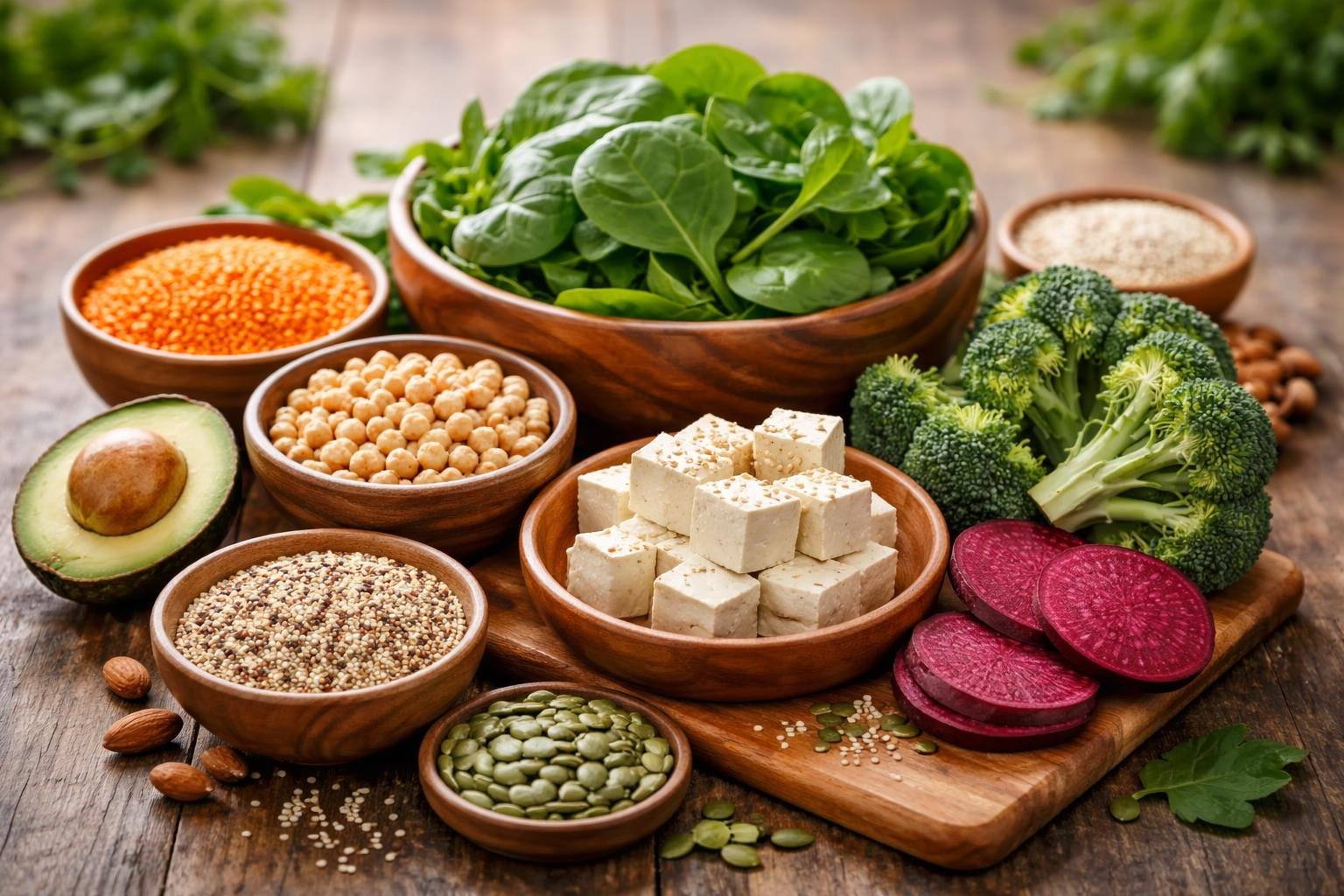
The challenge with plant-based iron is that it exists in a non-heme form that your body absorbs less efficiently than the heme iron found in animal products, and while dietary sources help maintain iron levels, supplements are often needed to effectively restore iron stores, especially if you have low iron or absorption difficulties. Modern plant-based iron supplements derived from fermented peas store iron in ferritin, mimicking how iron naturally occurs in food and allowing for slower, more controlled absorption that's gentler on your digestive system.
This guide will explore the best plant-based iron sources, explain factors that affect your iron needs, and clarify how to enhance absorption from foods. You'll also learn about the differences between food sources and supplement forms, including why ferritin-bound supplements offer better tolerability and effectiveness at lower doses compared to common mineral iron salts that frequently cause nausea, constipation, or metallic taste.
Understanding Iron and Its Role in Plant-Based Diets
Iron absorption from plant foods differs significantly from animal sources, and your body requires specific strategies to maintain adequate levels. While dietary sources provide foundational support, those with deficiency or absorption challenges often need supplementation to effectively restore iron stores.
Types of Iron: Heme vs. Non-Heme
Iron from food comes in two distinct forms: heme and non-heme. Heme iron exists only in animal flesh like meat, poultry, and seafood. Non-heme iron appears in plant foods including whole grains, nuts, seeds, legumes, and leafy greens.
Your body absorbs heme iron at rates of 15-35%, while non-heme iron absorption ranges from just 2-20%. This difference in bioavailability makes plant-based iron more challenging to utilize efficiently. Animals themselves contain non-heme iron because they consume plant foods.
When following a plant-based diet, you rely entirely on nonheme iron sources. Food sources provide baseline intake, but supplements often become necessary for individuals with low iron or absorption difficulties. Advanced plant-based iron supplements derived from fermented peas (Pisum sativum) store iron within ferritin proteins, mimicking how your body naturally stores this mineral.
Functions of Iron in the Body
Iron serves as an essential mineral for oxygen transport throughout your body. It forms the core component of hemoglobin in red blood cells, which carries oxygen from your lungs to tissues. Iron also supports myoglobin production in muscles, enabling oxygen storage for physical activity.
Beyond oxygen transport, iron plays critical roles in energy metabolism and cellular function. Your immune system requires adequate iron for proper white blood cell production and function. Iron supports cognitive performance, including memory and concentration.
Enzyme systems throughout your body depend on iron for DNA synthesis and cell division. Your thyroid gland needs iron to produce hormones that regulate metabolism. These functions demonstrate why maintaining sufficient iron levels matters for overall health.
Iron Deficiency and Health Risks
Iron deficiency anemia represents one of the most prevalent micronutrient deficiencies worldwide. Iron deficiency progresses through stages, starting with depleted stores before affecting red blood cell production. Early symptoms include fatigue, weakness, and reduced exercise capacity.
As deficiency advances, you may experience pale skin, brittle nails, frequent infections, and difficulty concentrating. Concerns regarding iron deficiency anemia in individuals following plant-based diets stem from lower bioavailability of non-heme iron and dietary inhibitors like phytates.
Common signs of iron deficiency include:
- Persistent fatigue and weakness
- Shortness of breath during normal activities
- Cold hands and feet
- Frequent headaches or dizziness
- Rapid or irregular heartbeat
While adjusting your diet helps prevent deficiency, supplementation provides a more reliable method to raise iron levels when deficiency occurs. Ferritin-bound plant-based iron supplements offer slower, more controlled absorption compared to common mineral iron salts. These supplements are typically gentler on digestion, effective at lower doses, and less likely to cause nausea, constipation, or metallic taste—making them more tolerable for consistent use.
Recommended Daily Iron Intake and Factors Affecting Iron Needs
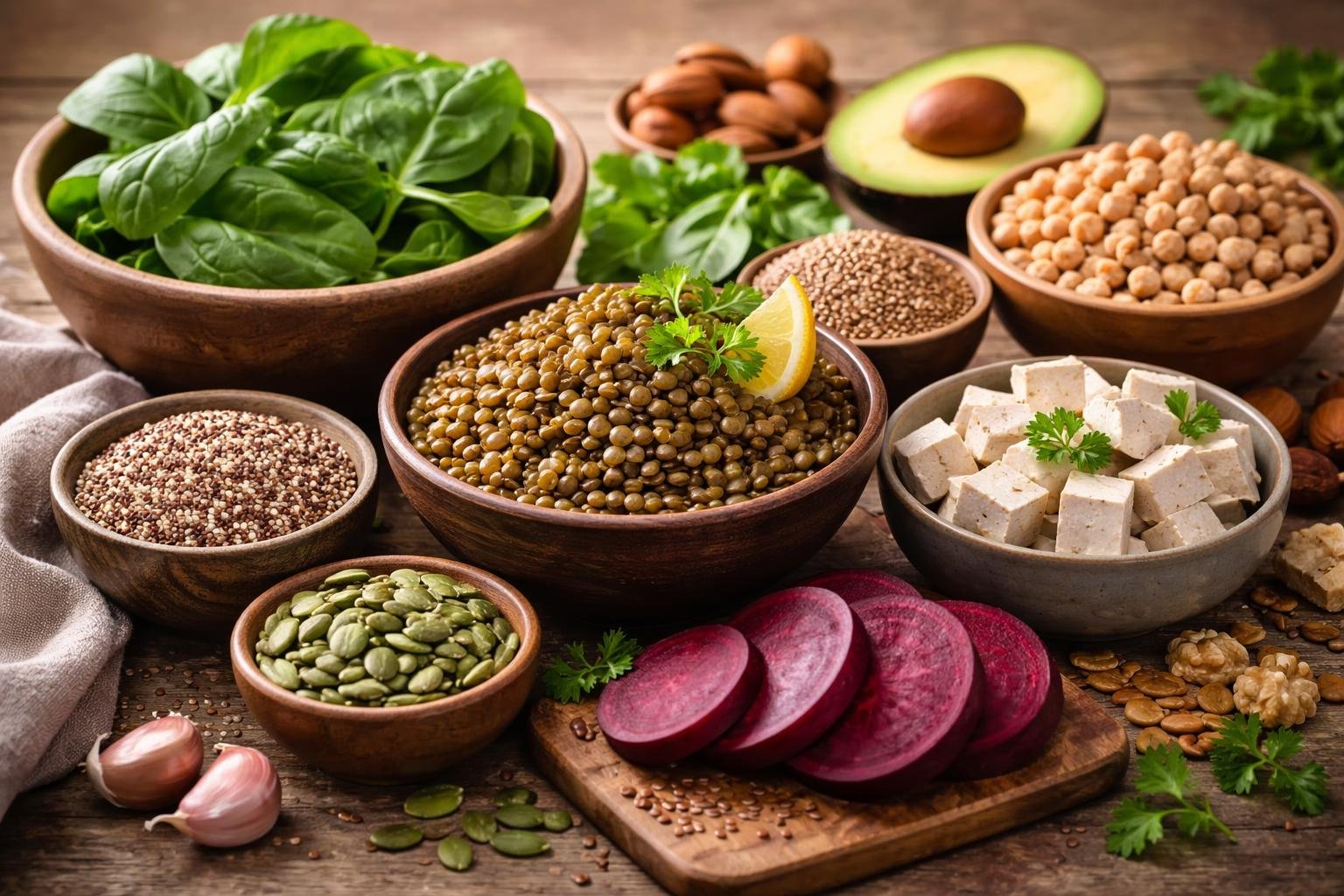
Iron requirements vary based on age, sex, and diet type, with certain groups needing significantly more than others. Understanding these differences helps you determine whether dietary sources alone meet your needs or if supplementation provides a more reliable approach to maintaining adequate iron levels.
How Much Iron Do You Need?
Adults men need around 10 mg per day. Pregnant women have the highest requirements at 27 mg per day to support increased blood volume and fetal development. Teenagers also have elevated needs during growth spurts—around 10 mg.
These baseline recommendations assume you consume heme iron from animal products, which absorbs more efficiently than plant-based non-heme iron. When relying solely on plant sources, your iron intake needs increase by approximately 1.8 times to compensate for lower bioavailability.
Meeting elevated requirements through food alone can prove challenging, which is why many people turn to supplements. Advanced plant-based iron supplements derived from fermented peas store iron in ferritin, mimicking how your body naturally stores this mineral for slower, more controlled absorption.
Groups at Higher Risk of Iron Deficiency
Women of childbearing age face the highest risk of iron deficiency due to monthly blood loss. Heavy menstrual periods can deplete iron stores faster than diet replenishes them, even with careful meal planning.
Pregnant and postpartum women require close monitoring as their bodies prioritize the developing baby's needs. Frequent blood donors also deplete their iron reserves with each donation, creating an ongoing need for replenishment.
Athletes, particularly endurance runners, lose iron through foot strike hemolysis and increased sweat losses. People with gastrointestinal conditions like celiac disease or inflammatory bowel disease often struggle with absorption regardless of intake levels.
For these groups, supplementation often becomes necessary to effectively restore depleted stores. Ferritin-bound plant-based iron supplements offer advantages over common mineral iron salts, including better tolerability at lower doses and reduced side effects like nausea, constipation, or metallic taste.
Iron Requirements for Vegetarians and Vegans
If you follow a plant-based diet, you need roughly 1.8 times more iron than someone eating meat—about 14 mg daily for adult men and 32 mg for premenopausal women. This increase accounts for the lower bioavailability of non-heme iron found in plant foods.
While legumes, leafy greens, and fortified grains provide reliable plant-based sources, meeting these elevated targets through diet alone requires careful planning. Pairing iron-rich foods with vitamin C enhances absorption, but this strategy only partially closes the bioavailability gap.
For many people on plant-based diets, supplements provide a more efficient way to maintain healthy iron levels. Plant-based iron supplements from fermented peas offer food-like absorption patterns and gentler digestion compared to traditional iron salts, making them particularly suitable for those with sensitive stomachs or absorption challenges.
Top Plant-Based Sources of Iron
Plant foods contain non-heme iron, which is absorbed differently than the heme iron found in meat. While legumes, nuts, seeds, and whole grains provide meaningful amounts of iron per serving, those with low iron levels or absorption challenges often need supplements to efficiently restore their stores.
Legumes and Beans High in Iron
Legumes rank among the most concentrated iron-rich plant foods available. Lentils provide approximately 6.6 mg of iron per cooked cup, while white beans offer around 8 mg per cup. Chickpeas deliver about 4.7 mg per cup, and black beans contain roughly 3.6 mg per cup.
These foods high in iron contribute to your daily intake, but non-heme iron absorption typically ranges from 2-20% depending on other dietary factors. Pairing legumes with vitamin C-rich foods can enhance absorption.
Common iron-rich legumes per cooked cup:
- White beans: ~8 mg
- Lentils: ~6.6 mg
- Chickpeas: ~4.7 mg
- Black beans: ~3.6 mg
- Kidney beans: ~5.2 mg
While these plant-based sources of iron help maintain baseline levels, supplements derived from fermented peas store iron in ferritin—a protein shell that releases iron gradually. This food-like form provides more controlled absorption at lower doses than typical mineral salts, making it particularly useful when dietary intake alone proves insufficient.
Nuts and Seeds as Iron Sources
Pumpkin seeds stand out among vegan iron sources, providing approximately 2.5 mg per ounce. Cashews offer about 1.9 mg per ounce, while sesame seeds contain roughly 1.3 mg per tablespoon. Hemp seeds contribute around 0.8 mg per tablespoon.
These nutrient-dense options work well as snacks or meal additions. However, nuts and seeds also contain phytates that can reduce iron absorption from non-heme iron foods.
You can incorporate these foods into your diet through trail mixes, salad toppings, or seed butters. Yet when you need to raise iron levels reliably, plant-based iron supplements using ferritin-bound iron from fermented peas offer advantages. This form mimics how your body naturally stores iron, resulting in gentler digestion and fewer side effects like nausea, constipation, or metallic taste compared to standard iron salts.
Whole Grains and Other Plant Foods Rich in Iron
Quinoa provides about 2.8 mg of iron per cooked cup, while oats contain approximately 2.1 mg per cup. Amaranth offers around 5.2 mg per cooked cup. Dark leafy greens like spinach contain about 6.4 mg per cooked cup, though raw spinach provides significantly less iron per serving.
Fortified cereals and bread products can contribute additional iron to your diet. Tofu prepared with calcium sulfate contains roughly 3.4 mg per half cup.
Select whole grains and vegetables (cooked):
| Food | Iron Content |
|---|---|
| Amaranth (1 cup) | ~5.2 mg |
| Quinoa (1 cup) | ~2.8 mg |
| Oats (1 cup) | ~2.1 mg |
| Spinach (1 cup) | ~6.4 mg |
These foods support general nutrition, but absorption from whole grains can be limited by fiber and phytates. When you're addressing deficiency or have increased needs, ferritin-based supplements derived from plants provide a more efficient delivery method. This advanced form allows your body to absorb iron at a controlled rate without the digestive discomfort associated with traditional mineral supplements.
Enhancing Iron Absorption From Plant-Based Foods
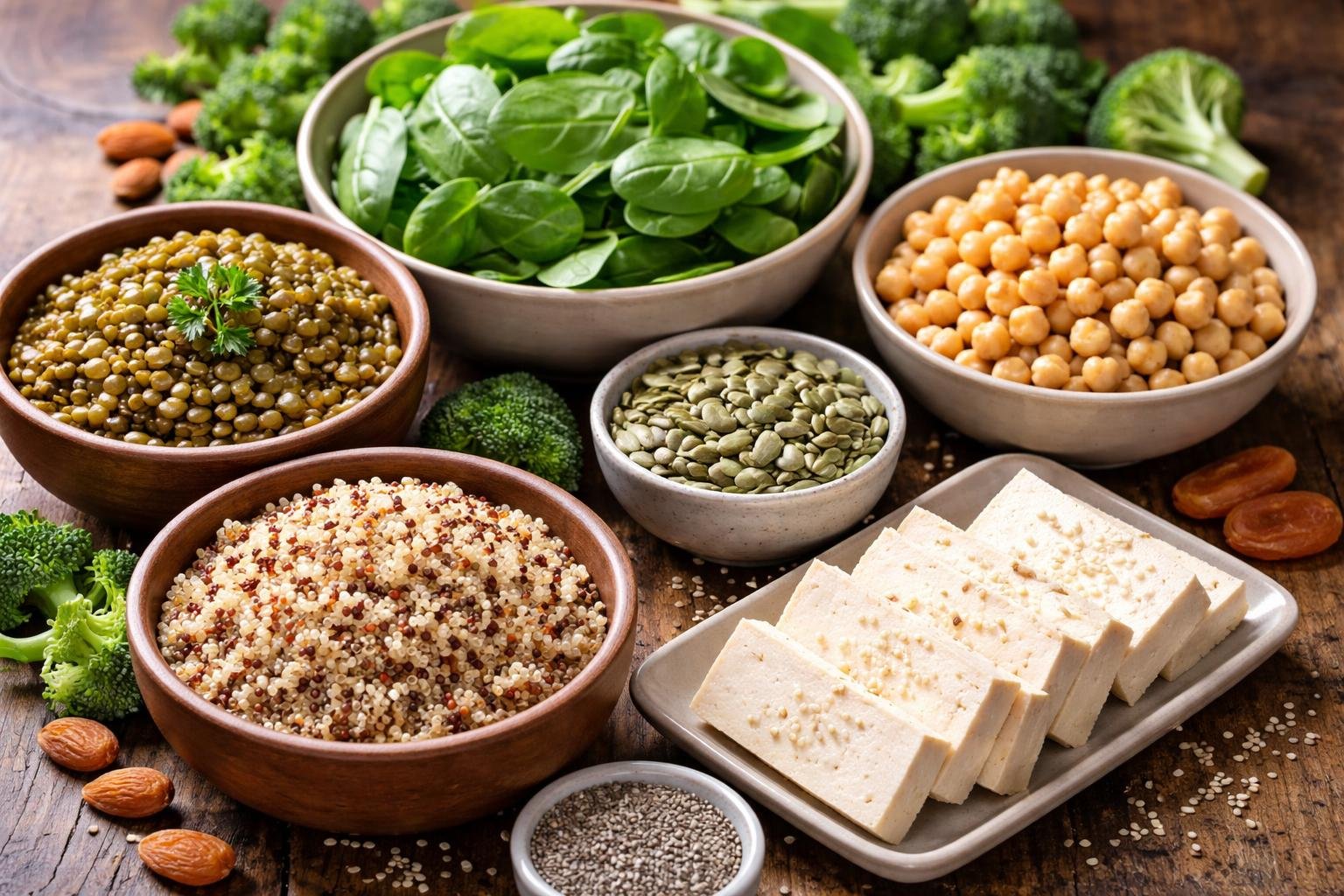
While plant foods provide iron, absorption rates depend heavily on how you pair these foods and whether inhibitors are present. Pairing iron-rich plants with vitamin C significantly boosts uptake, while phytates can block absorption unless properly managed.
Vitamin C and Iron: A Powerful Combination
Vitamin C enhances iron absorption by converting non-heme iron into a form your body can more readily use. When you consume foods rich in ascorbic acid alongside iron sources, vitamin C can enhance absorption of non-heme iron from plant-based meals.
Citrus fruits, bell peppers, strawberries, tomatoes, and broccoli all contain high amounts of vitamin C. Adding just 25-100 mg of vitamin C to a meal can increase iron absorption several-fold. For example, squeezing lemon juice over lentils or eating orange slices with fortified cereal creates an effective pairing.
Specific organic acids like citric acid also help by forming soluble chelates with iron minerals. You can maximize this effect by including vitamin C sources at every iron-containing meal.
However, dietary strategies have limitations. If you have low iron stores or absorption challenges, food pairings alone may not sufficiently restore your levels. Plant-based iron supplements derived from fermented peas store iron in ferritin, which allows for slower, more controlled absorption compared to rapid uptake from meals. These supplements provide a more reliable way to raise iron levels efficiently.
Phytates and Phytic Acid: Impact on Iron Absorption
Phytic acid binds to iron in your digestive tract, preventing absorption. This compound appears naturally in whole grains, legumes, nuts, and seeds—the same foods that contain iron.
Certain plant polyphenols and phytic acid inhibit iron absorption, which can reduce how much iron your body actually takes in from plant foods. Even nutrient-dense options like beans and whole wheat contain these inhibitors.
You can reduce phytic acid through preparation methods:
- Soaking grains and legumes for 12-24 hours
- Sprouting seeds, beans, and grains
- Fermenting foods like sourdough bread
- Cooking at high temperatures
These techniques break down phytates before consumption. Still, completely eliminating phytates isn't practical since they exist in most whole plant foods. This creates a challenge for maintaining adequate iron status through diet alone.
Ferritin-bound plant-based iron supplements bypass this issue entirely. Because the iron is stored within ferritin protein from fermented peas, it's protected from phytate binding. These supplements are gentler on digestion, effective at lower doses, and less likely to cause nausea, constipation, or metallic taste compared to common mineral iron salts like ferrous sulfate.
Tips to Increase Iron Absorption
Beyond vitamin C pairing and phytate reduction, several practices help you maximize iron absorption from plant sources:
Avoid calcium with iron meals. Calcium competes with iron for absorption. Separate calcium-rich foods or supplements from iron-containing meals by at least two hours.
Limit tea and coffee around mealtimes. Tannins in these beverages inhibit iron uptake. Wait one to two hours after eating before drinking coffee or tea.
Use cast iron cookware. Cooking acidic foods like tomato sauce in cast iron pans increases the iron content of your meal.
Choose fortified foods strategically. Many cereals and plant milks contain added iron, though absorption varies based on the iron form used.
While these dietary strategies support iron intake, they require constant attention and may not provide enough bioavailable iron if you're deficient. Supplements offer a more controlled solution. Advanced plant-based iron from fermented peas mimics food-like absorption patterns because the iron is naturally stored in ferritin. This results in better tolerability and bioavailability without the digestive side effects common with traditional iron salts. For those with low iron or absorption issues, supplementation provides a more efficient path to restoring levels than diet modification alone.
Frequently Asked Questions
Plant-based iron sources require careful planning to meet daily needs, and many people need supplements to effectively restore iron levels when dietary intake falls short. Ferritin-bound iron supplements derived from fermented peas offer gentler absorption compared to traditional mineral salts.
What are the best vegan options for iron to prevent deficiency?
Legumes like lentils, chickpeas, and black beans provide substantial amounts of iron per serving. Foods with more iron than spinach include seeds, tofu, and fortified cereals that can help you build a varied plant-based diet.
Pairing these foods with vitamin C sources enhances absorption of non-heme iron from plants. However, dietary sources alone may not prevent deficiency in many individuals, particularly those with absorption challenges or increased needs.
Plant-based iron supplements from fermented peas store iron within ferritin protein, mimicking how your body naturally stores this mineral. This form allows for slower, more controlled release compared to synthetic iron salts, reducing digestive discomfort while providing reliable supplementation when diet isn't enough.
What are the top iron-rich vegetarian foods to include in my diet?
Vegetarian foods loaded with iron include quinoa, hemp seeds, pumpkin seeds, and dark leafy greens like Swiss chard. Dried apricots, prunes, and blackstrap molasses also contribute meaningful amounts of iron to your meals.
Fortified products like cereals and plant-based milk alternatives can help boost your intake. These plant-based foods containing iron work best when consumed regularly as part of balanced meals.
While including these foods supports overall nutrition, supplements often prove necessary to restore depleted iron stores efficiently. Ferritin-bound supplements derived from fermented peas deliver iron at lower doses while maintaining effectiveness, avoiding the nausea and constipation common with traditional iron salts.
Which vegetarian foods are highest in iron content for anemia management?
White beans, kidney beans, and soybeans rank among the highest plant sources, providing 4-8 mg of iron per cooked cup. Tofu, tempeh, and fortified cereals also deliver significant amounts per serving.
Pumpkin seeds and sesame seeds contain concentrated iron, though you typically consume them in smaller portions. Dark chocolate with high cocoa content provides iron alongside other minerals.
Managing anemia through diet alone presents challenges because plant-based non-heme iron has lower bioavailability than heme iron from animal sources. Supplements become essential for many people to effectively raise hemoglobin levels and restore iron stores within reasonable timeframes.
Advanced plant-based supplements using ferritin from fermented peas offer food-like absorption patterns. These formulations work at lower doses than conventional iron salts while being gentler on your digestive system, making them suitable for long-term use without metallic taste or stomach upset.
How can vegetarian women meet their daily iron needs through diet?
Premenopausal women need 18 mg of iron daily, which requires careful meal planning when following a vegetarian diet. Combining multiple iron sources throughout the day—legumes at lunch, seeds as snacks, leafy greens at dinner—helps you approach this target.
Including vitamin C-rich foods like citrus fruits, tomatoes, and bell peppers at each meal enhances iron absorption from plant sources. Avoiding tea and coffee with meals prevents tannins from inhibiting absorption.
Despite diligent dietary planning, many vegetarian women struggle to meet their iron requirements through food alone. Monthly menstruation increases iron losses, making deficiency common even with adequate dietary intake.
Supplementation provides a more reliable path to maintaining healthy iron levels. Ferritin-bound iron from fermented peas offers controlled absorption that works with your body's natural regulation systems, reducing the risk of excess while effectively raising iron stores with better tolerability than standard mineral supplements.
Could you list key vegetarian Indian dishes that are good sources of iron?
Dal varieties made from red lentils, toor dal, or moong dal provide excellent iron when consumed with roti or rice. Palak paneer combines iron-rich spinach with protein, while chana masala features chickpeas as the primary iron source.
Rajma curry uses kidney beans which deliver substantial iron per serving. Beetroot dishes and curry leaf preparations also contribute to iron intake in traditional Indian cooking.
Fortified atta used for making chapati and paratha adds additional iron to meals. These dishes work best when prepared with tomatoes, tamarind, or amchur to boost vitamin C content for better absorption.
Traditional vegetarian Indian diets can fall short of meeting full iron requirements, particularly for women and growing children. Supplements bridge this gap more effectively than increasing food portions alone, with ferritin-based options offering gentler digestion than synthetic iron salts commonly available.
How can vegetarians ensure they're getting enough iron without eating meat?
Focus on eating iron-rich plant foods daily from varied categories: legumes, whole grains, nuts, seeds, and leafy vegetables. Strategic meal planning that includes vitamin C sources with every iron-containing meal maximizes absorption.
Cooking in cast iron skillets can increase the iron content of acidic foods like tomato sauce. Avoiding calcium-rich foods and beverages at the same time as iron-rich meals prevents competition for absorption.
Regular blood tests help you monitor ferritin levels and identify deficiency before symptoms appear. Food alone may not suffice for maintaining optimal stores, especially during periods of increased need like pregnancy or after blood loss.
Supplementation offers the most efficient and reliable method for ensuring adequate iron status. Plant-based ferritin supplements from fermented peas provide bioavailable iron with minimal side effects compared to conventional iron salts, delivering effective restoration at lower doses without the digestive distress, metallic taste, or constipation that often discourage consistent use of traditional supplements.

Creatine supplementation during pregnancy remains one of the most debated topics in maternal nutrition, with expectant mothers seeking clear guidance on whether this popular athletic supplement is safe for both mother and baby. Current research shows limited human studies on creatine use during pregnancy, making it impossible to confirm safety or risks definitively.
The conversation around creatine and pregnancy has evolved significantly as more women maintain active lifestyles throughout their pregnancies. While creatine's role in cellular energy production becomes particularly relevant during the increased metabolic demands of pregnancy, the lack of comprehensive clinical trials leaves many questions unanswered.
Understanding what science currently knows about creatine during pregnancy, along with potential benefits and risks, can help you make informed decisions in consultation with your healthcare provider. This guide examines the available research, safety considerations, and practical recommendations for expectant mothers considering creatine supplementation.
Understanding Creatine and Its Role in Pregnancy
Creatine is a naturally occurring compound that plays a crucial role in cellular energy production, with emerging research showing its importance during pregnancy for both maternal and fetal health. Your body's creatine metabolism changes significantly during pregnancy to support increased energy demands.
What Is Creatine?
Creatine is a nitrogenous amino acid derivative that your body uses for cellular energy homeostasis. It's composed of three amino acids: arginine, glycine, and methionine.
Your muscles store about 95% of your body's creatine as phosphocreatine. This compound provides rapid energy for high-intensity activities by donating phosphate groups to regenerate ATP.
Creatine occurs naturally in your body and in foods like red meat and fish. Your liver, kidneys, and pancreas produce approximately 1-2 grams daily through biosynthesis.
The compound becomes particularly important during pregnancy when your energy demands increase substantially. Your developing baby also requires creatine for proper cellular function and growth.
Creatine Metabolism in the Body
Creatine metabolism is regulated differently during pregnancy due to increased physiological demands. Your body's creatine synthesis increases to support both maternal and fetal needs.
During pregnancy, your creatine requirements rise significantly. Increased amounts of creatine are required to support expanding tissues and growing energy demands.
Your kidneys filter creatine, converting it to creatinine for excretion. Pregnancy hormones affect this process, potentially altering your creatine clearance rates.
Key metabolic changes during pregnancy:
- Increased creatine synthesis
- Enhanced cellular uptake
- Modified kidney clearance rates
- Greater tissue storage capacity
Creatine metabolism relates directly to cellular bioenergetics and de novo synthesis throughout pregnancy and the early neonatal period.
Sources of Creatine
You can obtain creatine through both dietary sources and your body's natural production. Dietary creatine comes primarily from animal products, while your body synthesizes the remainder.
Primary food sources of creatine:
- Red meat (beef, lamb)
- Fish (salmon, tuna, herring)
- Poultry (chicken, turkey)
- Minimal amounts in dairy products
Plant-based foods contain virtually no creatine, making dietary intake challenging for vegetarians and vegans. Your body compensates by increasing endogenous production when dietary intake is low.
Dietary creatine supplementation during pregnancy has shown potential benefits for both maternal and fetal health in research studies.
Cooking methods affect creatine content in foods. High-temperature cooking can reduce creatine levels by up to 30%. Raw or lightly cooked meats retain higher creatine concentrations.
Your daily creatine needs during pregnancy may exceed what diet alone can provide, particularly if you follow a vegetarian diet.
Potential Benefits and Effects of Creatine During Pregnancy
Research suggests that creatine supplementation during pregnancy may offer protective benefits for both maternal and fetal health, particularly during high-risk pregnancies or conditions involving oxidative stress. The compound appears to support cellular energy production and may help mitigate complications related to fetal growth restriction and placental dysfunction.
Impact on Fetal Growth and Development
Creatine plays a crucial role in fetal development by supporting cellular energy metabolism during critical growth periods. Research indicates that creatine supplementation may benefit the fetus during oxidative stress or feto-placental hypoxia, particularly in cases of fetal growth restriction.
The developing fetus relies heavily on maternal creatine transfer through the placenta. Your body naturally increases creatine production during pregnancy to meet these elevated demands.
Key developmental benefits include:
- Enhanced cellular energy availability during rapid tissue formation
- Improved placental function under stress conditions
- Support for organ development requiring high energy demands
However, conditions like maternal malnutrition or preeclampsia can impair placental function and alter creatine transport. This disruption may limit the natural transfer of creatine to your developing baby.
Supplementation may help compensate for these transport limitations. The additional creatine could provide a buffer against energy deficits that might otherwise compromise fetal growth and development.
Maternal Health and Muscle Performance
Pregnancy places significant demands on your muscular and cardiovascular systems. Creatine may help maintain muscle performance and energy levels throughout this physically demanding period.
Your muscle mass and strength naturally decline during pregnancy due to hormonal changes and increased metabolic demands. Creatine supplementation could help preserve muscle function and reduce fatigue.
Potential maternal benefits include:
- Maintained muscle strength during pregnancy
- Reduced exercise-related fatigue
- Better recovery from physical activity
- Enhanced cellular energy production in muscle tissue
Pregnancy alters nutrient and energy metabolism, making creatine important for maintaining cellular energy homeostasis. Your body's increased energy requirements may benefit from creatine's ability to rapidly regenerate ATP in muscle cells.
The supplement may also support your cardiovascular system as it adapts to increased blood volume and cardiac output. This could translate to better exercise tolerance and reduced pregnancy-related fatigue.
Energy Production During Pregnancy
Your energy requirements increase significantly during pregnancy to support fetal growth and maternal physiological changes. Creatine directly supports ATP regeneration, the primary cellular energy currency.
The compound helps maintain energy stores in tissues with high metabolic demands. This includes your heart, brain, and placenta, all of which work harder during pregnancy.
Energy production benefits:
- Rapid ATP regeneration in high-demand tissues
- Improved cellular energy efficiency
- Enhanced metabolic flexibility
- Better energy availability during physical stress
Creatine may be particularly important for maintaining cellular energy homeostasis throughout pregnancy. Your body's energy systems undergo significant adaptations to support both maternal and fetal needs.
The placenta itself has high energy requirements for nutrient transport and hormone production. Adequate creatine availability may help optimize placental function and efficiency.
Influence on Neurological Outcomes
Creatine plays a vital role in brain energy metabolism and may influence neurological development in your developing baby. The compound crosses the blood-brain barrier and supports neural tissue energy demands.
Brain development requires substantial energy resources, making adequate creatine availability potentially important for optimal neurological outcomes. The supplement may help protect against energy deficits that could affect neural development.
Neurological considerations:
- Support for fetal brain energy metabolism
- Potential neuroprotective effects during stress
- Enhanced neural development during critical periods
- Improved maternal cognitive function
Research suggests creatine supplementation during pregnancy may help during conditions involving oxidative stress, which can negatively impact neurological development. The compound's antioxidant properties may provide additional protection.
Your own brain function may also benefit from creatine supplementation. Pregnancy-related cognitive changes and fatigue could potentially be mitigated by improved brain energy metabolism.
However, the effects of creatine during pregnancy remain uncertain due to limited research. More studies are needed to fully understand the neurological implications of supplementation during pregnancy.
Safety, Risks, and Supplementation Guidelines
Current research on creatine supplementation during pregnancy remains limited, with no comprehensive human studies establishing definitive safety guidelines. Most available evidence comes from animal studies, while dosage recommendations and health considerations require careful evaluation with healthcare providers.
Current Research on Safety of Creatine During Pregnancy
The safety profile of creatine during pregnancy lacks extensive human research data. No human studies to date have evaluated the safety of supplementation with creatine in women during pregnancy.
Animal studies provide preliminary insights into potential safety. Studies in rodents suggest that supplemental creatine may not only be safe, but may also have positive effects on birth outcomes.
Research teams are actively investigating creatine's safety profile. Dr. Stacey Ellery's research program has conducted pre-clinical trials that hint at the potential advantages of creatine supplementation during pregnancy.
The current evidence shows mixed conclusions. Early research highlights potential health benefits, including energy balance and fetal protection without any negative effects, but there isn't enough evidence to confirm safety or efficacy for pregnant women.
Possible Side Effects and Contraindications
Creatine supplementation during pregnancy carries potential risks due to insufficient safety data. The most significant concern involves the unknown effects on fetal development and maternal health.
Common side effects in non-pregnant populations include:
- Digestive issues: Nausea, cramping, diarrhea
- Water retention: Increased fluid retention in muscles
- Weight gain: Temporary increase due to water retention
- Kidney stress: Potential strain on kidney function
Pregnancy-specific contraindications require careful consideration. Women with pre-existing kidney conditions should avoid creatine supplements entirely.
Maternal malnutrition or conditions like preeclampsia can impair placental function, potentially altering creatine transport. This interaction may increase risks for women with pregnancy complications.
You should avoid creatine supplementation if you have:
- Kidney disease or dysfunction
- High blood pressure or preeclampsia
- Diabetes or gestational diabetes
- Multiple pregnancies (twins, triplets)
Recommended Dosage and Forms
No established dosage guidelines exist for creatine supplementation during pregnancy. Standard adult dosing protocols cannot be safely applied to pregnant women without proper research validation.
Creatine monohydrate represents the most studied form in general populations. However, research on creatine use while pregnant remains limited.
Researchers are working to determine optimal levels. Dr. Stacey Ellery and her team are investigating the optimal level of creatine during pregnancy, including creatine supplementation.
Natural dietary sources provide safer alternatives:
- Red meat: 4-5 grams per kilogram
- Fish: 2-3 grams per kilogram
- Poultry: 1-2 grams per kilogram
If considering supplementation, consult your healthcare provider first. They can evaluate your individual risk factors and monitor for potential complications.
Considerations for Specific Health Conditions
Certain health conditions during pregnancy require extra caution regarding creatine supplementation. Women with pre-existing medical conditions face increased risks that may outweigh potential benefits.
Kidney conditions present the highest risk category. Creatine metabolism places additional strain on kidney function, which pregnancy already affects significantly.
Gestational diabetes requires careful monitoring. Creatine may influence glucose metabolism, potentially complicating blood sugar management during pregnancy.
Preeclampsia and hypertension create additional concerns. Conditions like preeclampsia can impair placental function, potentially altering creatine transport.
Multiple pregnancies increase metabolic demands substantially. The safety of creatine supplementation in twin or triplet pregnancies remains completely unstudied.
Women with these conditions should focus on dietary creatine sources rather than supplements. Your healthcare provider can help determine whether creatine supplementation aligns with your specific health profile and pregnancy circumstances.
Regular monitoring becomes essential if you decide to use creatine supplements. Blood tests can track kidney function and other relevant health markers throughout pregnancy.
Practical Considerations and Professional Recommendations

Healthcare provider consultation remains essential before starting creatine supplementation during pregnancy, with timing and dietary approaches requiring careful evaluation based on individual circumstances.
Consulting Healthcare Providers
Healthcare providers play a crucial role in determining whether creatine supplementation during pregnancy is appropriate for your specific situation. Your doctor will assess your medical history, current pregnancy status, and any pre-existing conditions.
Key factors your healthcare provider will evaluate:
- Previous pregnancy complications
- Current medications and supplements
- Existing kidney or liver conditions
- Exercise habits and fitness goals
Individual factors and medical history significantly impact the suitability of creatine supplementation. Your provider can determine safe dosing if supplementation is deemed appropriate.
Women would consider taking creatine if recommended by their health professional. This highlights the importance of professional guidance rather than self-supplementation.
Timing and Duration of Supplementation
The timing of creatine supplementation varies depending on whether you're planning pregnancy or already pregnant. Planning a pregnancy allows for more flexibility in supplementation timing.
Pregnancy stages and creatine considerations:
- Pre-conception: Easier to establish supplementation routine
- First trimester: Most cautious approach typically recommended
- Second and third trimesters: Case-by-case evaluation needed
Duration of supplementation depends on your individual needs and pregnancy progression. Some women may benefit from short-term use during specific pregnancy phases.
Your healthcare provider will monitor your response and adjust recommendations throughout pregnancy as needed.
Dietary Approaches Versus Supplements
Natural dietary sources provide creatine without the concentrated doses found in supplements. Red meat, fish, and poultry contain varying amounts of creatine that contribute to your overall intake.
Creatine content in common foods:
- Beef: 0.9g per pound
- Salmon: 0.9g per pound
- Chicken: 0.4g per pound
Dietary creatine offers a gentler approach compared to supplement forms. However, achieving therapeutic levels through food alone requires substantial protein intake.
Creatine supplements provide more precise dosing control but require careful medical supervision during pregnancy. Your dietary preferences and protein tolerance may influence the best approach for your situation.
Combining moderate dietary sources with professional guidance offers a balanced strategy for meeting creatine needs during pregnancy.
Frequently Asked Questions
Current research shows limited clinical data on creatine supplementation during pregnancy, with most safety recommendations emphasizing consultation with healthcare providers. The available evidence suggests potential benefits for cellular energy but lacks comprehensive studies on dosage and long-term effects.
Is it safe to take creatine supplements during pregnancy?
The safety of creatine during pregnancy remains uncertain due to limited human studies. Consulting with a healthcare professional is essential before considering creatine supplementation during pregnancy as comprehensive research on its safety for pregnant women is limited.
Current evidence shows no harmful side effects have been reported so far, but the lack of clinical studies means safety cannot be confirmed. Most medical experts recommend avoiding creatine supplementation unless specifically advised by your doctor.
Your healthcare provider can evaluate your individual circumstances and determine if potential benefits outweigh unknown risks. They will consider factors like your health history, pregnancy complications, and nutritional needs.
What are the potential benefits of using creatine while pregnant?
Studies highlight that creatine supplementation during pregnancy might improve the health of both mom and baby. Research suggests creatine may support cellular energy production during pregnancy when energy demands increase.
Creatine may be important for maintaining cellular energy homeostasis throughout pregnancy as physiological adaptations alter nutrient and energy metabolism. Some studies indicate potential neuroprotective properties that could benefit fetal brain development.
Researchers are exploring the potential benefits of creatine supplementation during high-risk pregnancy situations. However, these benefits remain theoretical without conclusive clinical evidence.
Are there any risks associated with creatine usage that could lead to birth defects?
No current evidence directly links creatine supplementation to birth defects in humans. The use of creatine in human pregnancy is yet to be fully evaluated through comprehensive clinical trials.
The absence of reported birth defects does not guarantee safety, as insufficient research exists to establish definitive risk profiles. Unknown effects on fetal development remain a primary concern among healthcare providers.
Your doctor will weigh potential risks against benefits when making recommendations about creatine use during pregnancy. They may advise against supplementation due to insufficient safety data rather than known harmful effects.
Can taking creatine increase the chance of miscarriage?
Current available research does not indicate that creatine supplementation increases miscarriage risk. However, the current lack of clinical studies and evidence means the safety and risks of creatine supplementation during pregnancy cannot be confirmed.
No studies have specifically examined the relationship between creatine supplementation and miscarriage rates. The limited research on pregnant women makes it impossible to establish definitive safety parameters.
Healthcare providers typically recommend caution with any supplement during pregnancy when safety data is insufficient. Your doctor can assess your individual risk factors and pregnancy history.
How does creatine supplementation affect breastfeeding mothers?
Research on creatine supplementation during breastfeeding is extremely limited. No comprehensive studies have examined how creatine passes into breast milk or affects nursing infants.
Long-term use of creatine in healthy adults appears to be safe, but this safety data does not extend to breastfeeding mothers or their infants. The effects on milk production and infant development remain unknown.
Most healthcare providers recommend avoiding creatine supplementation while breastfeeding due to insufficient safety data. Your doctor can suggest alternative approaches to meet your nutritional and energy needs during lactation.
What is the recommended dosage of creatine for pregnant women?
No established dosage recommendations exist for creatine supplementation during pregnancy. Healthcare professionals must be consulted before considering any creatine supplementation during pregnancy to discuss appropriate dosing if deemed necessary.
Standard adult dosing protocols do not apply to pregnant women due to physiological changes and unknown effects on fetal development. Your doctor would need to determine appropriate dosing based on individual circumstances and medical necessity.
Most medical experts recommend obtaining creatine through natural dietary sources rather than supplements during pregnancy. Foods like meat, fish, and eggs provide creatine without the uncertainty of supplementation.

Creatine stands as one of the most researched and effective supplements for building muscle mass and enhancing athletic performance. Whether you're new to supplementation or looking to optimize your current routine, understanding the proper dosage can make the difference between mediocre and exceptional results.
For muscle growth, research consistently shows that 3 to 5 grams of creatine monohydrate daily provides optimal results when combined with resistance training. This straightforward approach has been validated through countless studies and delivers measurable improvements in strength, power, and muscle mass without unnecessary complexity.
Your creatine strategy doesn't have to be complicated, but several factors influence how much you should take and when you'll see results. From loading phases to timing considerations, body weight adjustments to potential side effects, the details matter when you're serious about maximizing your muscle-building potential.
Recommended Creatine Dosage for Muscle Growth
The standard dosage ranges from 3-5 grams per day for maintenance, with higher amounts used during loading phases. Your body weight and training goals determine the exact amount needed for optimal muscle growth.
Typical Daily Amounts for Building Muscle
Most people need 3-5 grams of creatine daily to maximize muscle creatine stores. This amount works for both beginners and experienced lifters.
Standard Daily Dosages:
- Minimum effective dose: 3 grams
- Standard dose: 3-5 grams
- Maximum recommended: 5 grams
Taking more than 5 grams daily does not provide additional muscle-building benefits. Your muscles can only store a limited amount of creatine regardless of how much you consume.
Research shows that consistent daily intake matters more than taking large amounts sporadically. Smaller doses taken consistently produce better results than irregular high doses.
Loading Phase Guidelines
A loading phase rapidly saturates your muscles with creatine in the first week. Taking 5 grams of creatine four or five times daily for 5-7 days maximizes muscle creatine stores quickly.
Loading Phase Protocol:
- Duration: 5-7 days
- Daily amount: 20-25 grams total
- Frequency: 4-5 doses of 5 grams each
- Timing: Spread throughout the day
The personalized approach uses 0.3 grams per kilogram of body weight daily during loading. This method accounts for individual differences in muscle mass and body size.
Loading phases are optional. You can achieve the same muscle saturation by taking 3-5 grams daily for 3-4 weeks without loading.
Maintenance Phase Dosage
After loading or initial saturation, 3-5 grams daily maintains optimal creatine levels in your muscles. This maintenance dose continues indefinitely while you train.
Maintenance Guidelines:
- Daily amount: 3-5 grams
- Timing: Anytime during the day
- Duration: Ongoing with training
- Form: Creatine monohydrate
Your muscles lose stored creatine when you stop supplementing. Returning to baseline levels takes 4-6 weeks after discontinuing creatine.
Some people respond better to 5 grams daily rather than 3 grams. Monitor your training performance and muscle gains to determine your optimal maintenance dose.
Adjustments Based on Body Weight
Larger individuals may benefit from higher doses due to greater muscle mass. Research suggests 0.3 grams per kilogram for loading phases based on body weight.
Weight-Based Dosing:
- Under 150 lbs: 3 grams daily
- 150-200 lbs: 3-5 grams daily
- Over 200 lbs: 5 grams daily
- Athletes/High muscle mass: Up to 5 grams daily
Your muscle fiber type and training intensity matter more than body weight alone. Fast-twitch muscle fibers store more creatine and benefit more from supplementation.
Most people see results with standard 3-5 gram doses regardless of body weight. Start with 3 grams daily and increase to 5 grams if needed based on your response and training demands.
Best Practices for Taking Creatine
The timing of your creatine intake, how you mix it, and what supplements you combine it with can significantly impact its effectiveness. These factors determine how well your muscles absorb and utilize creatine for optimal muscle building results.
Optimal Timing for Supplementation
Research shows that timing creatine supplementation around exercise can enhance its muscle-building benefits. Taking creatine within 30 minutes after your workout appears most effective for maximizing uptake.
Post-workout timing works best because your muscles are primed for nutrient absorption. Your muscle fibers experience increased blood flow and enhanced insulin sensitivity immediately after training.
You can also split your daily dose throughout the day. During loading phases, divide your 20-25 grams into four or five servings spaced 3-4 hours apart.
Daily Timing Options:
- Post-workout: Single dose within 30 minutes
- Pre-workout: 30-45 minutes before training
- Split dosing: Multiple servings throughout the day
- Consistent timing: Same time daily for maintenance doses
Consistency matters more than perfect timing. Choose a schedule you can maintain long-term rather than constantly changing your approach.
Mixing Methods and Absorption
Proper mixing enhances creatine absorption and reduces potential digestive issues. Creatine monohydrate dissolves better in warm liquids compared to cold beverages.
Mix your creatine powder thoroughly until completely dissolved. Undissolved particles can cause stomach discomfort and reduce absorption efficiency.
Effective Mixing Liquids:
- Warm water or tea
- Fruit juice (grape or apple work well)
- Sports drinks with carbohydrates
- Protein shakes
Carbohydrates can improve creatine uptake by triggering insulin release. This hormone helps transport creatine into your muscle cells more effectively.
Avoid mixing creatine with acidic beverages like orange juice or coffee. These can break down creatine into creatinine, reducing its effectiveness over time.
Take your mixed creatine immediately after preparation. Extended exposure to liquid can degrade the compound and diminish its muscle-building properties.
Stacking with Other Supplements
Creatine pairs well with several supplements that can enhance muscle building results. The most effective combinations work through complementary mechanisms rather than competing pathways.
Protein powder creates an ideal stack since both support muscle growth through different processes. Take 20-40 grams of protein with your creatine dose post-workout.
Beta-alanine combines effectively with creatine for improved workout performance. Use 3-5 grams of beta-alanine daily alongside your standard creatine protocol.
Carbohydrate supplements boost creatine absorption significantly. Add 30-50 grams of simple carbs like dextrose to your creatine mixture.
Supplements to Avoid Combining:
- Caffeine (may reduce creatine uptake)
- Alcohol (impairs muscle protein synthesis)
- High-dose magnesium (can cause digestive issues)
Time your creatine separately from caffeine by at least 2 hours. While caffeine doesn't completely block creatine absorption, it may reduce its effectiveness in some individuals.
Factors Affecting Creatine Needs and Effectiveness
Your baseline diet and training habits significantly impact how much creatine you need daily. People following plant-based diets typically require higher doses, while those training at maximum intensity benefit from loading protocols.
Dietary Intake and Vegetarian Considerations
Your natural creatine levels depend heavily on your dietary choices. Red meat, fish, and poultry contain creatine naturally, giving omnivores a baseline advantage.
Vegetarians and vegans start with lower muscle creatine stores. This creates an opportunity for greater benefits from supplementation compared to meat-eaters.
Plant-based eaters often see more dramatic improvements in strength and muscle mass. Their lower baseline levels mean supplementation can increase muscle creatine stores by 20-40%.
If you eat minimal animal protein, consider starting with a higher maintenance dose. Instead of the standard 3-5 grams daily, you might benefit from 5-7 grams after your loading phase.
Daily creatine intake from food sources:
- 1 pound raw beef: 1-2 grams
- 1 pound raw salmon: 1-2 grams
- Vegetarian diet: 0 grams
Training Frequency and Intensity
Your workout routine directly affects your creatine requirements. High-intensity training depletes phosphocreatine stores faster than moderate exercise.
Athletes performing multiple training sessions daily need higher creatine intake. Studies show doses of 5-20 grams daily effectively saturate muscle stores for intense training.
Power-based activities drain creatine most rapidly:
- Weightlifting
- Sprinting
- Jumping exercises
- High-intensity interval training
If you train 4-6 times weekly with heavy weights, maintain 5 grams daily. For twice-weekly training, 3 grams may suffice.
Rest days don't require reduced creatine intake. Your muscles continue rebuilding and maintaining elevated creatine stores between workouts.
Age and Muscle Loss
Aging affects your body's ability to produce and utilize creatine effectively. Muscle mass naturally declines by 3-8% per decade after age 30.
Older adults often benefit from higher creatine doses due to decreased natural production. Your kidneys produce less creatine as you age, making supplementation more valuable.
Age-related changes affecting creatine needs:
- Reduced muscle fiber count
- Slower protein synthesis
- Decreased natural creatine production
- Lower training capacity
Adults over 50 may require extended loading phases or higher maintenance doses. Consider 5-7 grams daily rather than the standard 3-5 grams for younger individuals.
Your response to creatine remains strong regardless of age. Research shows similar strength and muscle gains across age groups when proper doses are maintained.
Safety Considerations and Potential Side Effects
Creatine supplementation is generally safe for most people when used appropriately, but certain health conditions and dosing practices require careful consideration. Understanding proper hydration needs and selecting quality supplements ensures optimal safety and effectiveness.
Kidney Health and Contraindications
Your kidneys process creatine, making kidney function a primary safety concern. People with kidney disease should consult with their doctor before starting supplementation.
Kidney-related precautions:
- Pre-existing kidney disease increases risk of complications
- Diabetes may affect kidney function over time
- High blood pressure can impact kidney health
Research shows doses up to 10 grams daily for up to 5 years have been safely used in healthy individuals. However, your individual health status determines appropriate dosing.
You should avoid creatine if you have chronic kidney disease or reduced kidney function. Regular blood work monitoring kidney markers like creatinine and BUN provides additional safety assurance during long-term use.
Pregnant and nursing women should avoid creatine due to limited safety data in these populations.
Hydration and Water Retention
Creatine pulls water into your muscle cells, increasing your body's fluid needs. Side effects might include dehydration if you don't maintain adequate water intake.
Hydration requirements increase because:
- Muscle cells store more water with creatine
- Your kidneys need extra fluid to process creatine
- Dehydration amplifies potential side effects
You may experience temporary weight gain of 2-4 pounds from increased water retention. This represents muscle hydration, not fat gain.
Common early side effects include:
- Mild bloating
- Stomach discomfort
- Muscle fullness
These effects typically resolve within 1-2 weeks as your body adapts. Dividing your daily dose into smaller portions throughout the day reduces digestive discomfort.
Drink an additional 16-24 ounces of water daily when supplementing with creatine to support proper hydration.
Third-Party Testing and Supplement Quality
Supplement quality varies significantly between manufacturers, affecting both safety and effectiveness. Third-party testing ensures your creatine contains listed ingredients without harmful contaminants.
Quality indicators to look for:
- NSF International certification
- Informed Sport testing
- USP verification
- Heavy metal testing results
Choose creatine monohydrate, the most researched form with established safety data. Avoid proprietary blends that don't list specific ingredient amounts.
Potential contaminants in low-quality supplements:
- Heavy metals (lead, mercury, arsenic)
- Banned substances
- Incorrect ingredient amounts
- Harmful fillers
Reputable brands provide certificates of analysis showing testing results. These documents verify purity levels and confirm absence of contaminants.
Store your creatine in a cool, dry place away from moisture. Properly stored creatine monohydrate remains stable for 2-3 years from manufacture date.
Frequently Asked Questions
Creatine dosing varies based on individual goals and body weight, with standard recommendations ranging from 3-25 grams daily depending on loading phases. Understanding proper timing, potential side effects, and individual factors helps optimize muscle-building results.
What is the recommended daily dosage of creatine for muscle growth?
The general recommendation is 3 to 5 grams per day for maintaining muscle growth and performance benefits. This maintenance dose provides consistent results without requiring higher amounts.
During a loading phase, you can take 20 to 25 grams daily for 5 to 7 days. This approach divides into four or five 5-gram servings throughout the day.
Research shows that 3 grams daily for 28 days achieves similar muscle saturation levels as loading protocols. The gradual approach takes longer but produces equivalent strength and size gains.
Are there different creatine dosage guidelines for beginners?
Beginners can choose between loading and gradual protocols based on their preferences. Loading provides faster results while gradual dosing offers a gentler introduction to supplementation.
If you prefer avoiding higher doses initially, start with 3-5 grams daily. This approach builds muscle creatine stores over 3-4 weeks without potential digestive issues from larger amounts.
New users often benefit from dividing their daily dose throughout the day. Taking smaller portions with meals can improve absorption and reduce stomach discomfort.
What are the potential side effects of taking creatine supplements?
Gastrointestinal issues like nausea, vomiting, and diarrhea occur rarely with creatine use. These effects typically happen with higher doses during loading phases.
Temporary weight gain and bloating are common initial effects. Creatine increases water retention in your muscles, which contributes to both muscle fullness and scale weight increases.
Experts recommend keeping single doses below 10 grams to minimize digestive problems. Spreading your total daily intake across multiple servings reduces these risks further.
How does body weight affect the amount of creatine one should consume?
Your body weight determines optimal loading phase dosing through a specific calculation. Multiply your weight in kilograms by 0.3 to find your daily loading amount.
A 180-pound person weighing 82 kilograms needs 25 grams daily during loading phases. Their maintenance dose would be at least 2.5 grams daily afterward.
Heavier individuals generally require slightly higher maintenance doses to sustain muscle creatine levels. Your muscle mass and training intensity also influence optimal dosing beyond just body weight.
Can long-term creatine use have adverse effects on kidney function?
Current research shows creatine is safe for healthy individuals during extended use. Studies demonstrate safety in daily doses up to 10 grams for 16 weeks.
Since kidneys metabolize creatine, existing kidney disease may worsen with supplementation. People with renal conditions should consult healthcare providers before starting creatine.
Healthy kidneys process creatine without difficulty during normal supplementation. Regular blood work can monitor kidney function if you have concerns about long-term use.
What are the best practices for incorporating creatine into a fitness regimen?
Take creatine consistently at the same times daily to maintain muscle saturation levels. Timing around workouts is less important than consistent daily intake.
Creatine monohydrate remains the most researched and effective form for muscle building. Mix it with water, juice, or protein shakes for easy consumption.
Combine creatine with resistance training to maximize muscle growth benefits. The supplement enhances your training capacity rather than building muscle independently.

Calcium stands out as the most abundant mineral in your body, with about 99% stored in your bones and teeth while the remaining 1% circulates in your blood and soft tissues. This mineral doesn't just build strong bones—it also enables your muscles to contract, your blood to clot, your heart to beat regularly, and your nerves to transmit signals throughout your body. Understanding how calcium functions reveals why maintaining adequate levels matters at every stage of life.
Your body maintains tight control over calcium levels in your blood, pulling from bone stores when dietary intake falls short. This balancing act means you might not notice a deficiency right away, but over time insufficient calcium can lead to weakened bones and other health complications. The amount you need varies based on your age and gender, and getting it from the right sources makes a significant difference in how much your body actually absorbs.
Whether you're concerned about bone health, wondering if you're getting enough calcium, or trying to understand how much calcium you need daily, the science behind this essential mineral offers clear guidance. From the best food sources to the risks of having too much or too little, knowing the facts helps you make informed decisions about your calcium intake.
Core Reasons Why Calcium Is Important
Calcium serves multiple critical functions in your body beyond just supporting your skeleton. This mineral enables your muscles to contract properly, allows your nerves to transmit signals throughout your body, and helps your blood form clots when you're injured.
Bone Health and Bone Density
Your bones store approximately 99% of your body's calcium, making them the primary reservoir for this essential mineral. Calcium combines with phosphorus to form calcium hydroxyapatite, the hard mineral matrix that gives your bones their strength and rigidity.
Your skeleton undergoes continuous remodeling throughout your life, with old bone tissue breaking down and new bone tissue forming. During childhood and adolescence, your body builds bone faster than it breaks it down, allowing your skeleton to grow. Your bones typically reach their maximum strength and bone mineral density around age 30.
After reaching peak bone mass, maintaining adequate calcium intake becomes vital to prevent bone loss. Without sufficient calcium, your body withdraws it from your bones to maintain blood calcium levels, gradually weakening your skeletal structure. This process can lead to conditions like osteoporosis, where bones become porous and fragile, or osteopenia, an earlier stage of bone density loss.
In children, severe calcium deficiency can cause rickets, while adults may develop osteomalacia, both conditions characterized by soft, weakened bones.
Role in Muscle Contraction and Movement
Calcium enables your muscles to contract and relax, making all physical movement possible. When a nerve signal reaches a muscle, it triggers the release of calcium ions from storage sites within muscle cells.
These calcium ions bind to proteins in your muscle fibers, initiating a series of chemical reactions that cause the muscle to contract. When the nerve signal stops, calcium is pumped back into storage, allowing the muscle to relax. This process occurs in all your muscles, from your heart to your skeletal muscles.
Your heart muscle depends on calcium to maintain its regular contractions and proper rhythm. Without adequate calcium signaling, your cardiac function would be compromised, affecting blood circulation throughout your entire body.
Nerve Function and Signaling
Your nervous system relies on calcium to transmit messages between your brain and every part of your body. Calcium ions act as chemical messengers that enable nerve cells to communicate with each other and with other tissues.
When a nerve impulse reaches the end of a nerve cell, calcium flows into the cell and triggers the release of neurotransmitters. These chemical messengers cross the gap between nerve cells, allowing the signal to continue traveling through your nervous system. This process happens constantly, enabling you to think, feel sensations, and control your movements.
Calcium also helps regulate the release of hormones and other chemicals throughout your body, coordinating various physiological processes that keep you healthy.
Blood Clotting Mechanisms
Calcium plays an essential role in your blood's ability to form clots when you experience an injury. Blood clotting requires calcium to proceed through its complex cascade of reactions.
When a blood vessel is damaged, your body initiates a series of steps to stop bleeding. Calcium ions activate several clotting factors, which are proteins that work together to form a blood clot. Without sufficient calcium, this clotting cascade cannot function properly, potentially leading to excessive bleeding even from minor injuries.
The small amount of ionized calcium circulating in your blood maintains this critical clotting function. Your body tightly regulates blood calcium levels through parathyroid hormone and other mechanisms to ensure this and other vital processes continue without interruption.
Calcium Requirements and Absorption
Your body needs specific amounts of calcium at different life stages, and several factors influence how well you absorb it. Understanding these requirements and absorption mechanisms helps you maintain optimal calcium levels for bone health and vital body functions.
How Much Calcium Do I Need
The recommended dietary allowances for calcium vary based on your age and sex. Adults ages 18+ need around 500 mg daily.
Children and adolescents have different requirements. Infants up to 6 months need 200 mg daily, while those 7-12 months need 260 mg.
Factors Affecting Calcium Absorption
Calcium absorption occurs through two mechanisms: active transport and passive diffusion across your intestinal mucosa. Active transport handles most absorption when your calcium intake is lower, while passive diffusion increases as your intake rises.
Vitamin D plays a critical role in calcium absorption. Your body requires vitamin D to absorb calcium in the gut through active transport and maintain adequate blood calcium levels.
The amount you absorb depends on how much you consume. Absorption rates are about 45% at intakes of 200 mg per day but drop to only 15% when intakes exceed 2,000 mg daily.
Certain plant compounds reduce absorption. Oxalic acid and phytic acid form indigestible salts with calcium, which is why spinach absorption is only 5% compared to 27% for milk. Foods high in oxalates include collard greens, sweet potatoes, and rhubarb.
Calcium Intake Across Life Stages
Your body's calcium needs and absorption efficiency change throughout your life. Infants and young children achieve net absorption rates as high as 60% because they need substantial amounts to build bone.
By adulthood, absorption decreases to approximately 25% and continues declining with age. Your body contains about 26 to 30 grams of calcium at birth, increasing to roughly 1,200 grams in women and 1,400 grams in men by adulthood.
Women experience additional changes at menopause. Decreased estrogen production increases bone remodeling, causing calcium levels in bones to start declining.
Calcium During Pregnancy
Pregnant women ages 14-18 need at least 500 mg of calcium daily. These requirements remain the same as non-pregnant women in the same age groups.
Your body adapts during pregnancy to meet fetal calcium demands. Increased absorption efficiency and changes in bone metabolism help supply calcium for your baby's skeletal development without depleting your own bone stores.
Lactating women have identical calcium requirements to pregnant women. Your body continues its enhanced absorption mechanisms during breastfeeding to support milk production while protecting your bone health.
Best Sources of Calcium
Getting adequate calcium requires understanding which foods naturally contain this mineral and recognizing when supplements might be necessary. Dairy products lead as the most concentrated dietary sources, but many plant-based foods and fortified options also provide substantial amounts.
Calcium-Rich Foods and Dietary Calcium
Dairy products such as milk, cheese, and yogurt represent the most bioavailable sources of calcium. A single cup of milk provides approximately 300 mg of calcium, while one cup of yogurt offers similar amounts.
If you follow a plant-based diet, several non-dairy options deliver significant calcium. Leafy green vegetables like collard and turnip greens, bok choy, and kale contain calcium, though compounds like oxalic acid can reduce absorption. Fish with edible soft bones, including sardines and canned salmon, provide both calcium and vitamin D.
Beans, tofu, nuts, and seeds are also calcium-rich, though some contain insoluble fiber that may hinder absorption. Tofu processed with calcium sulfate offers particularly high amounts, with a half-cup serving containing up to 400 mg depending on preparation.
Calcium-Fortified Foods
Many common foods have calcium added during processing to boost their nutritional value. Both cow's milk and plant-based milks like almond, soy, and oat varieties are often fortified with calcium to reach levels comparable to dairy milk.
You'll find fortified cereals offering 100-1000 mg of calcium per serving, depending on the brand. Fruit juices, particularly orange juice, are frequently calcium-fortified to provide 300-350 mg per cup. Tofu and other soy products may contain added calcium beyond what naturally occurs.
Check nutrition labels carefully when selecting fortified foods. The amount of added calcium varies significantly between brands and products.
Types of Calcium Supplements
Several calcium compounds appear in supplements, each containing different amounts of elemental calcium:
For example:
- Calcium carbonate: 40% elemental calcium
- Calcium citrate: 21% elemental calcium
- Calcium lactate: 13% elemental calcium
- Calcium gluconate: 9% elemental calcium
But higher elemental calcium on paper doesn’t always mean better results in the body — absorption matters more than the number on the label.
- That’s why plant-based calcium from red algae is superior:
- Naturally rich in 70+ trace minerals your body recognizes
- Absorbs more efficiently than rock-based calcium
- Works better with Vitamin D3 + K2 to support bone strength
- Gentler on digestion and less likely to cause buildup
Instead of forcing your system to break down chalky, inorganic minerals, Better Calcium uses organic red algae calcium that the body is designed to absorb and use — so your bones get real nutrition, not just a number.
Risks of Calcium Imbalance and Deficiency
Both insufficient and excessive calcium levels can lead to serious health complications affecting your bones, heart, and overall bodily functions. Understanding these risks helps you maintain appropriate calcium intake and recognize warning signs early.
Calcium Deficiency and Hypocalcemia
Calcium deficiency develops gradually when you don't consume enough dietary calcium over an extended period or lose the ability to absorb it properly. This progressive condition initially causes osteopenia, the first stage of bone loss, which can advance to osteoporosis if left untreated.
Hypocalcemia refers to low calcium levels in your blood and can range from mild to severe. Most of your body's calcium stays in your bones, but you need adequate calcium in your bloodstream for vital functions. The condition may be temporary or chronic depending on the underlying cause.
Approximately half of the world's population has inadequate access to dietary calcium, making deficiency a widespread global concern. Populations in low- and middle-income countries face the greatest risk, though many individuals in high-income countries also fall short of recommendations.
Health Effects of Excess Calcium (Hypercalcemia)
Hypercalcemia occurs when calcium levels in your blood become too high. This condition can result from excessive calcium supplementation, certain medications, or underlying health issues affecting calcium metabolism.
The tolerable upper intake level is set at 2,500 mg per day for adults ages 19-50 and 2,000 mg per day for those over 50. Consuming calcium beyond these limits may pose health risks. For children and adolescents, upper limits range from 1,000 mg daily for infants to 3,000 mg daily for those ages 9-18.
Symptoms of hypercalcemia can include digestive problems, kidney stones, confusion, and fatigue. Chronic excess calcium may interfere with your body's absorption of other essential minerals like iron and zinc.
Related Conditions: Osteoporosis, Osteomalacia, and Rickets
Osteoporosis develops when your bones lose density and become fragile, increasing fracture risk. This condition primarily affects older adults, particularly postmenopausal women. Long-term calcium deficiency is a major contributing factor, as your body draws calcium from bones when dietary intake proves insufficient.
Rickets affects children and results from severe calcium or vitamin D deficiency during crucial growth periods. The condition causes soft, weak bones that may become deformed. Children require adequate calcium to support rapid bone development and mineralization during adolescence.
Osteomalacia is the adult equivalent of rickets, causing bone softening and weakness. Unlike osteoporosis, which involves bone density loss, osteomalacia affects bone quality. Both conditions significantly impact your skeletal health and mobility.
Paradoxically, some populations with lower calcium intakes show lower osteoporotic fracture rates compared to high-income countries, though research data remains limited. This suggests factors like physical activity, sun exposure, and genetic differences in calcium absorption may influence bone health outcomes.
Calcium, Heart Health, and Cholesterol Levels
Your cardiovascular system depends on calcium for proper muscle contraction, including your heartbeat. However, the relationship between calcium intake and heart health remains complex and somewhat controversial.
Some studies suggest calcium and vitamin D together may help protect against cardiovascular disease. Calcium plays a role in maintaining healthy blood pressure levels, as adequate intake may help reduce hypertension risk in certain populations.
The evidence regarding calcium supplementation and heart disease risk shows mixed results. Some research has raised concerns about high-dose calcium supplements potentially affecting arterial health, while other studies find no significant cardiovascular risks within recommended intake levels.
Calcium's direct effects on cholesterol levels aren't fully established. Your body requires calcium for vascular function and proper blood vessel contraction, making balanced intake important for overall cardiovascular wellness.
Frequently Asked Questions
Calcium serves multiple critical roles in your body, from building bone structure to enabling muscle contractions and nerve signaling. Understanding recommended intake levels, potential risks of deficiency or excess, and how supplements affect your body helps you make informed decisions about your calcium consumption.
What are the primary functions of calcium in the body?
Calcium is the most abundant mineral in your body, with almost all of it stored in your bones and teeth where it provides structure and hardness. The remaining 1% circulates in your blood, muscles, and other tissues where it performs essential functions.
Your body requires calcium for your muscles to contract and relax properly. Nerves depend on calcium to carry messages between your brain and every part of your body.
Calcium plays a vital role in blood clotting and regulating normal heart rhythms. It also helps your blood vessels move blood throughout your body and assists in releasing hormones that affect many bodily functions.
How much calcium does an adult need on a daily basis?
Adults 18+ need at least 500 mg of calcium daily. Adult women aged 51-70 require at least 500 mg daily. Pregnant and breastfeeding women require at least 500 mg daily, while pregnant and breastfeeding.
Can you list the benefits of maintaining adequate calcium levels?
Adequate calcium intake helps maintain strong bones and reduces your risk of developing osteoporosis as you age. After about age 30, your bones slowly lose calcium, and maintaining proper intake becomes increasingly important.
Calcium supplements might reduce your risk of preeclampsia if you're pregnant and consume too little calcium. Some research shows that people with high calcium intakes from food and supplements have a lower risk of colon and rectal cancers, though other studies show no effect.
Calcium can attach to fats and reduce the amount your body absorbs. Your body also needs calcium for proper heart function and to help regulate various metabolic processes.
What are the potential side effects of consuming calcium supplements regularly?
Calcium supplements might cause gas, bloating, and constipation in some people. If you experience these symptoms, you can try spreading out your calcium dose throughout the day or taking the supplement with meals.
You may also switch the form of calcium you take, as different types affect people differently. Calcium carbonate is absorbed best when taken with food, while plant-based calcium is absorbed well on an empty or full stomach.
Some research suggests that high calcium intakes might increase your risk of heart disease and prostate cancer, though results remain mixed. Calcium is absorbed best when you take 500 mg or less at one time.
How does calcium deficiency affect health, and what are its symptoms?
Getting too little calcium can cause osteoporosis, which makes your bones weak and fragile while increasing your risk of falls and fractures. Rickets can develop in children who don't get enough calcium, causing soft and weak bones.
Osteomalacia causes soft bones in both children and adults who are calcium deficient. Postmenopausal women face particular risk because your body absorbs and retains less calcium after menopause, which can lead to fragile bones over time.
People who don't drink milk or eat dairy products may struggle to get enough calcium. You also face higher deficiency risk if you're between ages 4-18, Black or Asian, or an adult over 50 living in poverty.
Is there a risk associated with excessive calcium intake, and what are the signs?
High levels of calcium in your blood and urine can cause poor muscle tone, poor kidney function, and low phosphate levels. You may experience constipation, nausea, weight loss, and extreme tiredness.
Other signs include frequent urination, abnormal heart rhythms, and a high risk of death from heart disease. However, these high calcium levels are usually caused by health conditions like high parathyroid hormone levels or cancer rather than high calcium intake.
Adults 19-50 years should not exceed 2,500 mg of calcium daily from all sources. Adults 51 years and older have a daily upper limit of 2,000 mg from food, beverages, and supplements combined.